Nature
Forests, oceans, wetlands, grasslands, and deserts
Home > Solution Areas > Nature
Over one-third of India’s GDP depends on its natural ecosystems, including forests, oceans, wetlands, grasslands, and deserts. However, increasing population density, unsustainable urbanisation, and agricultural expansion, among others, have caused widespread loss of forest cover, degradation of coastal and open natural ecosystems, and immense biodiversity loss. This is adversely affecting the livelihoods, health, and safety of vulnerable communities – undermining India’s progress towards 80% of the SDGs (35 out of 44 of the targets) related to poverty, hunger, health, water, cities, climate, oceans, and land.
India needs climate solutions that restore its natural capital, placing forest and tribal communities, pastoral communities, fishing communities, and women at the centre. These solutions enhance the quality and quantity of India’s carbon sinks (such as natural ecosystems that absorb more carbon from the atmosphere than they release), preserve essential ecosystem services, and secure development co-benefits such as improved livelihoods, preservation of culture, and a better quality of life. Nature also builds adaptive capacity, increasing resilience to severe and unpredictable disasters and climate risks, such as floods, cyclones, droughts, and heatwaves.
Challenge
With its diverse topography, India’s natural ecosystems are essential to its health and economy. Forests and trees cover over 80.9 million hectares in India – nearly 25% of the country’s geographic area. Open natural ecosystems (including naturally open habitats of savannas, scrublands, grasslands, and ravines, with occasional trees) cover approximately 10% of India’s land area, supporting wild livestock and pastoral livelihoods; grasslands alone support 50% of the fodder requirements for the 500 million livestock in India. India’s coastline stretching over 7,500 kilometres is rich with coral reefs and marine biodiversity; the country also has 75 designated Ramsar wetland sites. The carbon sequestration potential of peatlands, wetlands, seagrasses, and mangroves – or ‘blue’ carbon – is much higher than terrestrial ecosystems. This is significant for the climate crisis; mangroves, for example, which cover only 0.15% of India’s geographic area, can sequester four times more carbon dioxide than tropical forests.
However, these natural ecosystems – and the climate, environmental, and socio-economic benefits they provide – are under grave threat from increasing population density, rapid urbanisation, and agricultural expansion. Climate change is also altering marine, terrestrial, freshwater and island ecosystems aggravating species loss and impacting key ecosystem services. Nature is declining globally at unprecedented rates, with 1 million plant and animal species threatened with extinction. In India alone, from 2019 to 2022, over 55,400 hectares of forest area were diverted for non-forest purposes. The country lost nearly 30% of its wetlands in over three decades, across rural and urban areas. While deforestation and ecosystem degradation release carbon dioxide stored in trees and the soil into the atmosphere, contributing to global warming, this also causes several other adverse effects. It increases soil erosion and hastens desertification, contributes to reduced pollination and increases the spread of invasive plant and insect species, aggravates biodiversity loss and species extinction, and disrupts the hydrological cycle. Nature loss also impacts the livelihoods and socio-economic development of communities dependent on natural ecosystems for food, shelter, income, fuel, and their ways of life; for example, approximately 275 million people in rural areas, including forest dwellers and tribal communities, depend on forests for at least a part of their livelihoods. Habitat loss also brings humans and animals in closer contact, increasing the risk of spread of zoonotic or other diseases of probable animal origin like the COVID-19 virus.
Large-scale infrastructure development and urbanisation, and severe natural disasters like cyclones, among other factors, are destroying India’s mangroves and coastal ecosystems, with human activities encroaching upon freshwater ecosystems as well. The indiscriminate dumping of industrial and plastic waste, and resulting toxic pollutants, are causing biodiversity loss, and degrading water and soil quality, with negative consequences for fishing communities and ecosystem health. These factors are compounded by climate risks. For example, ocean acidification and warming are destroying coral reefs and reef-dependent fish species. Stronger tropical storms and floods are destroying mangroves and seagrasses along India’s coastline, reducing natural buffers against climate risks and threatening the survival of seagrass-dependent species such as dugongs. Mangroves, often the first line of defence against cyclones and sea level rise, declined by 40% over the last century due to agriculture, urbanisation, aquaculture, and tourism, among others. Several of India’s islands are also experiencing cyclonic events, sea level rise, and rapid development, threatening endemic biodiversity and island communities.
Open natural ecosystems (ONEs) and deserts are also experiencing degradation, adversely affecting pastoral and nomadic communities. ONEs are increasingly being diverted for land use change, such as renewable energy projects (wind and solar), intensive agriculture, and tree plantations. Unsustainable restoration approaches are further degrading these lands due to misconceptions about grasslands as wastelands or degraded forest land.
With increasing wind velocity in deserts, sand is shifting and engulfing houses, property, and livestock, causing immense losses. Increasing temperatures, landscape degradation, poor watershed management, and erratic rainfall are reducing water availability and exacerbating drought and desertification. Women and girls are disproportionately affected by having to walk long distances to collect or harvest water, due to drudgery and related injuries, as well as increased risk of physical and sexual violence.
While policies exist, there is a lack of long-term commitment for restoring nature, and ongoing efforts are insufficient to meet the country’s carbon sink targets (to create an additional carbon sink of 2.5 to 3 billion tonnes of carbon dioxide equivalent through additional forest and tree cover by 2030). Short-term efforts focused on sporadic tree plantations without ensuring place-based ecosystem soundness, enhancement of local livelihoods, and long-term sustainability will lead to unintended consequences. In addition, finance for nature is limited. Public funds form the lion’s share of nature-based financing, with only 17% of total funds coming from the private sector globally.
Solution
Nature-based solutions are actions that protect, sustainably use, manage, and restore natural or modified terrestrial, freshwater, coastal, and marine ecosystems. These actions address social, economic, and environmental challenges effectively and adaptively, to provide human well-being and biodiversity benefits.
Nature-based solutions have the potential to reduce greenhouse gas emissions and provide 37% of cost-effective climate change mitigation (emissions reduction) required by 2030. They capture and store carbon dioxide from the atmosphere; provide ecosystem services for humans and biodiversity; and build resilience to climate risks and disasters.

Capture and store carbon dioxide
from the atmosphere

Provide ecosystem services for
humans and biodiversity

Build resilience to climate risks
and disasters
Range of responses

- Avoiding deforestation, by encouraging alternative energy sources to reduce pressure from demand for biomass or firewood;
- Managing the spread of invasive plant species (like Lantana camara) and insect species;
- Conserving biodiversity hotspots;
- Supporting seed collection and storage to preserve genetic diversity, and assisted migration of species threatened by climate change;
- Enhancing genetic diversity of plant and animal species, and planting native, climate-resilient trees;
- Creating hi-tech nurseries for quality tree saplings;
- Supporting community-led monitoring of forest ecosystems, through forest committees;
- Preserving local and indigenous knowledge about forest management and integrating such knowledge with community and local government-level action plans.
- Skilling and renewable energy-powered machinery for processing of non-timber forest products under sustainable forest livelihood models, like a climate-smart forest economy;
- Innovative market linkages for value-added products from tree-based, bamboo-based, and other nature-based enterprises;
- Developing People’s Biodiversity Registers, with comprehensive information on locally available bio-resources.
- Improved fire management through vulnerability mapping, and creating fire breaks (or small clearings of ditches) to slow or stop fire progress;
- Forest restoration in flood-prone areas to increase water retention and reduce run-off;
- Creating green corridors, peri-urban forests and urban gardens in non-forest areas, such as cities, to reduce heat waves and the urban heat island effect.

- Restoring or maintaining protected wetland areas and mangrove forests;
- Restoring lakes and ponds, and adopting constructed wetlands systems or floating wetlands to support restoration;
- Restoring vegetation along riverbanks and around ponds to provide buffers against soil erosion and eutrophication caused by nutrient runoff;
- Restoring degraded seagrass sites by transplanting seagrass sprigs, with the help of naturally degradable bamboo and coconut rope frames, for example;
- Instituting community-based payment for ecosystem services (PES) to support restoration of dwindling freshwater sources;
- Preserving local and indigenous knowledge about mangrove/marine ecosystem management and integrating such knowledge with community and local government-level action plans;
- Supporting community-based monitoring committees or initiatives to identify risks to natural ecosystems, by tracking changes in sentinel species.
- Creating bio-shields along coastlines, by planting mangroves in the sea front and other water-resistant or water-thirsty trees in low tidal zones;
- Conserving and regenerating coral reefs, through coral garden nurseries or micro-fragmentation;
- Restoring wetlands and coastal marshes and protecting barrier islands.
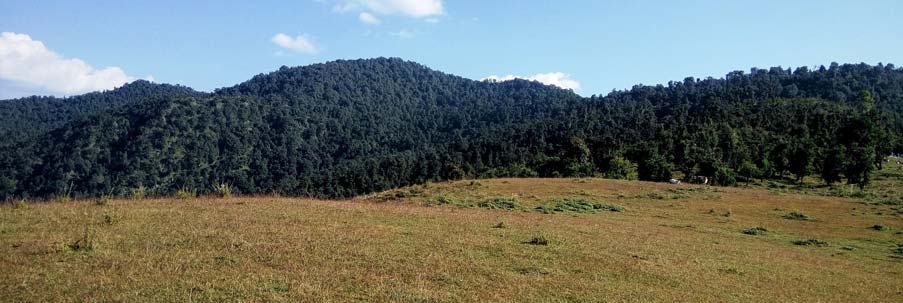
- Adaptive management of alien invasive species such as Lantana camara and Prosopsis juliflora;
- Avoiding planting unsuitable trees or grasses and renewable energy installations on the assumption that these are wastelands;
- Region-specific research on the kinds of plant composition needed to increase biodiversity and protect the soil.

- Restoring naturally occurring reservoirs or ponds in deserts, such as naadis and khadeens, through desilting, repairing breaches in embankments, or plantation to reduce soil erosion;
- Restoring traditional artificial water harvesting structures, including taankas;
- Increasing natural water storage mechanisms like sand dams in rivers in rural areas, to recharge groundwater;
- Restoring and conserving common lands, such as orans or sacred groves in Rajasthan;
- Stabilising sand dunes, through different types of fences that protect vegetation from grazing or harvesting, establishment of micro-wind breaks, and afforestation;
- Preventing overgrazing by livestock in degraded lands.

- Predictive analytics and machine learning models to support restoration efforts;
- Artificial intelligence solutions for monitoring tree cover, plantations, and land use; prediction of wildfires and vulnerability mapping, etc.;
- Remote sensing tools to monitor the health of coastal ecosystems and mangroves;
- Data that identifies sustainable nature-based solutions in the form of scientific guides to support restoration efforts across ecosystems, like the World Resources Institute’s Restoration Opportunities Atlas for India (for example, data is not yet available on Himalayan peatland assessment for carbon or for wetland categories);
- R&D and policy engagement to explore nascent solutions, such as seaweed cultivation (which has the potential to capture carbon, improve human nutrition, and reduce methane emissions by adding to cattle feed), developing alternate seaweed-based livelihoods, and industrial uses.
- Creating opportunities for community-based eco-tourism, such as zero-emissions trails and sustainable homestays, and providing requisite skilling and capacity building for local communities to run these enterprises;
- Building community awareness through education about climate change and related environment and climate impacts on vulnerable ecosystems (in vernacular languages as well);
- Skilling communities in Ecologically Sensitive Areas through innovative livelihood models that are climate-aligned, such as Wildlife Conservation Trust’s water heater of hope or using invasive plant species to create wood polymer composites with diverse applications;
- Creating roadmaps for ecosystem restoration across hotspots, such as for ecosystem-based adaptation in Maharashtra.
Target groups

Forest-dependent communities and tribal communities in degraded forest lands in Central and Northeast India
Women in forest fringe areas

Rural Himalayan communities affected by forest fires
Desert communities in the Thar desert
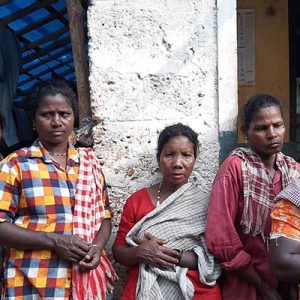
Tribal communities in the Western Ghats

Fishing communities along India’s coasts
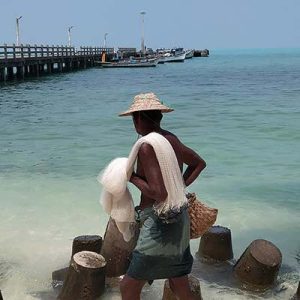
Vulnerable communities residing in India’s islands

Pastoralists in grasslands and other open natural ecosystems

UN Sustainable Development Goals




Key considerations
Tailor climate solutions to specific geographies and needs
Solutions must be context-specific, and projects must be designed and implemented in response to identified challenges and needs of the community. These must account for the aspirations of the local community. Further, solutions must also capture metrics that can show a biodiversity net gain, such as improvement in a species in a certain area of land or water. Any solution that involves technology must be tailored to the specific geography and should not be implemented without the transfer of adequate knowledge and capacity building.
Enhance long-term sustainability of climate solutions
Solutions must account for long-term sustainability, by way of skilling, enterprise, value chains, and making digital tools available and accessible, such as low-cost satellite data using remote sensing technology like LiDAR (Light Detection and Ranging). Further, if a solution involves training or capacity building, the initiative should not end at that stage; a clear incentive needs to be in place for stakeholders to continue engaging in these activities, such as strengthening collectives, developing market linkages for sustainable produce, and ensuring community ownership-based implementation models for the solution to be viable in the long-term. Local communities must also be incentivised to take ownership of efforts to explore and support peer to peer verification between forest committees of two or more regions, to bring down operation costs, and ensure continued monitoring of the project (such as ensuring high survivability of species in restoration projects).
Respect cultural, ecological, and legal rights
Traditional or indigenous knowledge of the local community must be taken into consideration when designing and implementing solutions. Community rights and ownership over forest land should be respected, through processes such as Free, Prior and Informed Consent (FPIC). Considerations regarding competing land use (specifically when planting trees outside forests) must be accounted for; consent of the community and/or the local government (for protected areas) is essential in these cases. Further, implementing organisations must ensure that community-based eco-tourism efforts result in fair and equitable benefit sharing of common eco-tourism revenues.
Combine strategies for holistic climate solutions
Prevent greenwashing and other unintended consequences
Nature - Projects
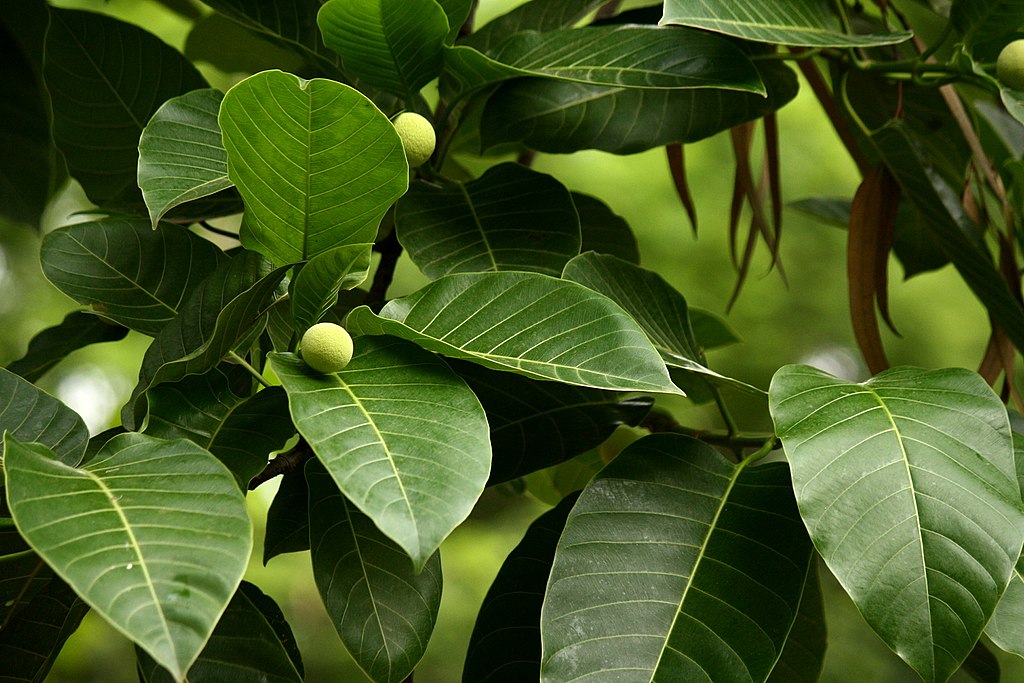
Citizen science, where non-professionals contribute scientific data, has become popular globally, with applications in ecology, conservation, and climate sciences. Experts globally, including in India have identified citizen science as an ideal method for understanding the natural world, engaging the public as key stakeholders, and leveraging contextualised knowledge to effectively understand climate change.
Launched in 2011 with support from Wipro Foundation, Nature Conservation Foundation’s SeasonWatch is one such initiative in India that offers a simple yet engaging way for people to understand climate change. The participants observe the seasonal changes of locally abundant tree species over a duration, record their findings, and upload this information to the SeasonWatch project website or mobile app. The application currently holds over a decade of information on tree seasonality and can be used to infer how climate change affects biodiversity and life cycles of other living beings and communities that depend on trees for food, shelter, and livelihoods.
Having piloted the initiative in Kerala, SeasonWatch now aims to advance climate science and climate education in Maharashtra and Tamil Nadu over the next three years by engaging with citizen scientists, educational institutions and communities, supported by robust technology and extensive outreach and training efforts.
The project is divided into five key components – scale the project in schools and university campuses across India; pilot and assess the SeasonWatch Climate Change Educator (CCE) curriculum across India; develop the application by adding new features for better user experience; capacity building among stakeholders and; analyse, publish, and share SeasonWatch data with diverse audiences for climate literature and policy action.
Over the next three years, the project aims to scale and bring impactful change to over 300 additional schools in Maharashtra and Tamil Nadu. It will expand the Campus Phenology Network, a collaboration between SeasonWatch and various partners, from 36 to up to 100 Indian undergraduate campuses. The project will also engage 1,000 more individual contributors from outside educational institutions across India. Additionally, 30-35 schools each in Kerala, Tamil Nadu, and Maharashtra will be identified to introduce the CCE curriculum to educators through in-person or online workshops. To enhance the project’s reach and effectiveness, new technologies will be introduced to the application, including multilingual support, a photo upload tool for observation verification, and AI-assisted identification of tree species or seasonality stages.


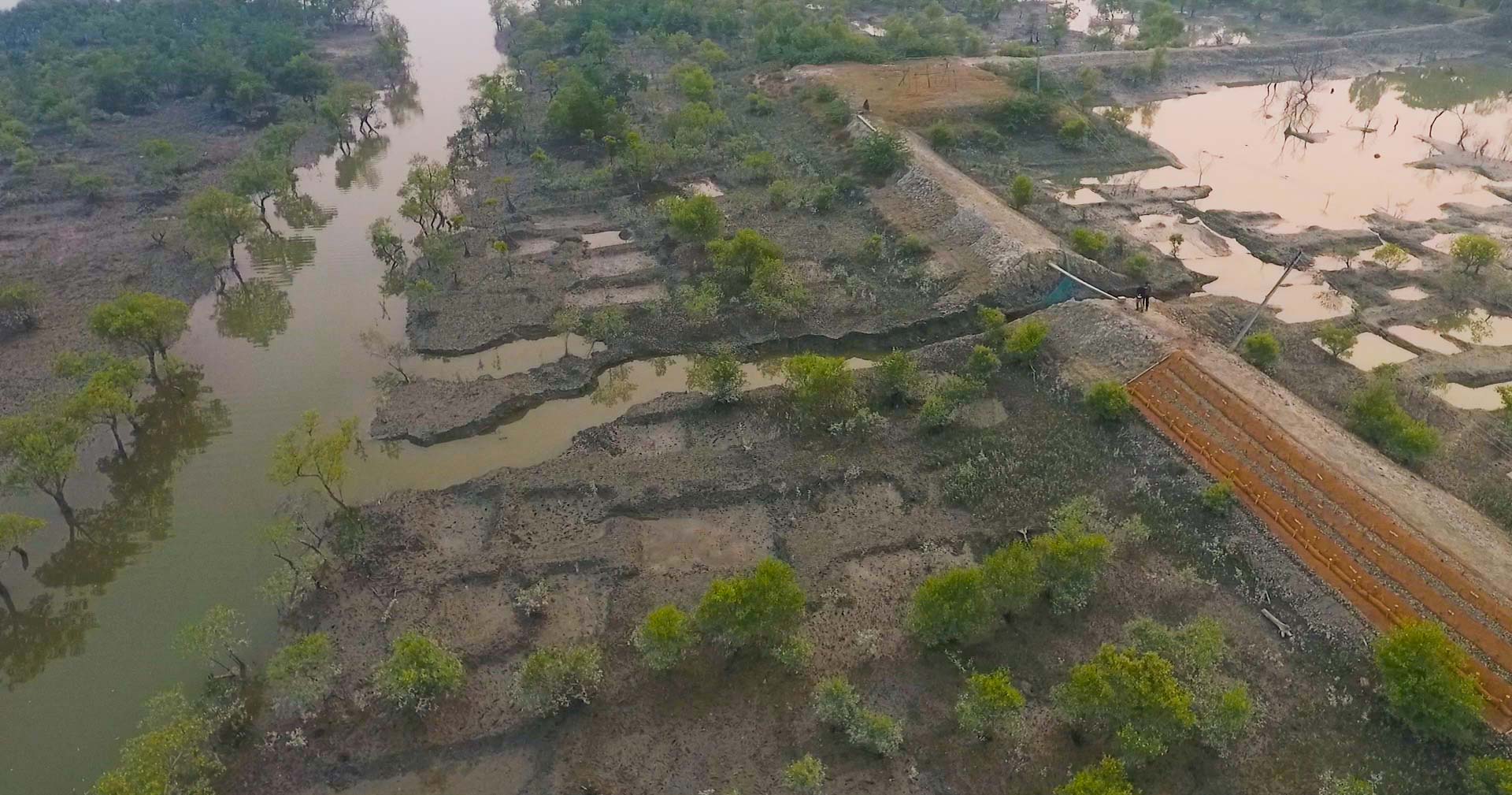
India’s extensive coastline faces numerous threats from anthropogenic activities, including increased vulnerability to extreme climate events like cyclones and the impact of sea level rise due to climate change, which is exacerbating degradation caused by saltwater intrusion. Among the affected areas, India’s eastern coast, particularly the Sundarbans, the world’s largest contiguous mangrove forest, is highly susceptible to these natural and climate-induced impacts. Recurrent cyclones have led to a decline in mangrove cover, significantly damaging this fragile ecosystem. Moreover, anthropogenic pressures such as over-fishing and settlements pose additional risks to the Sundarbans.
To address these critical threats, Sustainable Environment and Ecological Development Society (SEEDS) has been actively working in the region to restore mangrove ecosystems to enhance the resilience of forest fringe communities and provide them with alternative livelihood opportunities. Mangrove plantations are crucial in reducing wind speeds, limiting saltwater intrusion, preserving biodiversity, and sequestering carbon dioxide, contributing to climate change mitigation and adaptation efforts. Additionally, the use of vetiver grass helps prevent soil erosion and maintain land integrity, which is essential for protecting the coastline and surrounding ecosystems.
Building on previous learnings and long-term experience in the region, SEEDS plans to expand the project to new locations within the Sundarbans. The project also places significant emphasis on improving livelihood opportunities for local communities. This includes training self-help groups in producing marketable items like handicrafts, furniture, or essential oils. Furthermore, SEEDS aims to establish nurseries for mangrove saplings and promote beekeeping for honey production, thereby providing sustainable income sources for the communities.
Through these integrated efforts, SEEDS seeks to restore and conserve the Sundarbans mangrove ecosystem while improving local communities’ socio-economic well-being. This holistic approach to conservation, climate action and livelihood development is essential for achieving long-term resilience and sustainable development in the region.
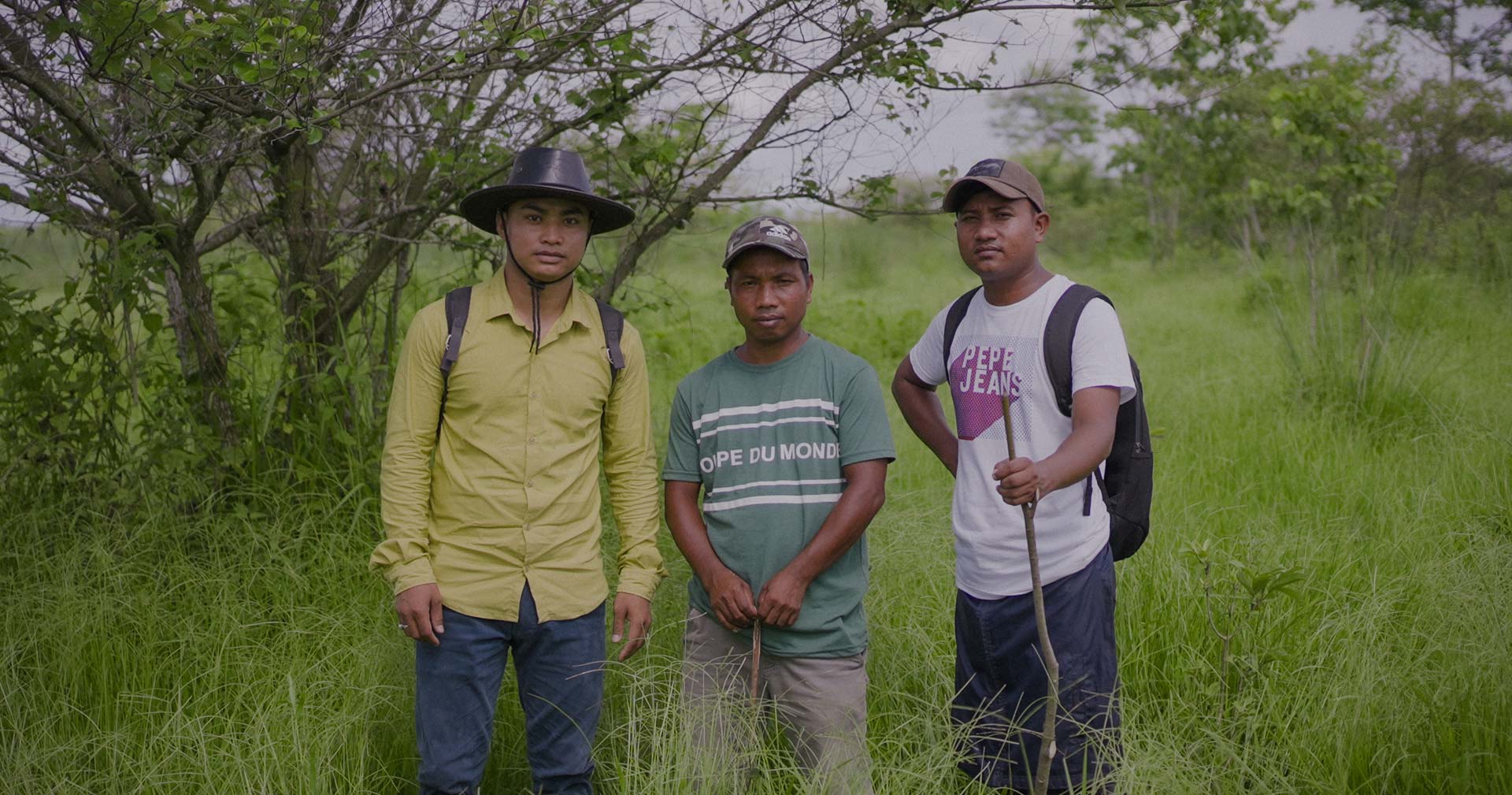
The proposed intervention by the Balipara Foundation addresses the interconnected challenges of forest degradation, climate change, and poverty by creating economic opportunities for rural and indigenous communities. Through initiatives such as forest restoration, agroforestry, and sustainable livelihoods, the program generates income for communities, leading to improved well-being and reduced reliance on forest resources. This approach contributes to climate change adaptation and mitigation, benefiting human and ecological well-being in the long run.
The project expands the Balipara Foundation’s ongoing work in Assam and Nagaland to also encompass new geographies in Arunachal Pradesh and Manipur. The proposed project areas are located within reserve forests and are managed by local forest fringe communities. The primary beneficiaries are rural and indigenous forest fringe communities, particularly smallholder farmers heavily dependent on forests and natural resources for their livelihoods.
Anticipated benefits for climate and nature include the restoration of vital habitat corridors, improved ecological health, water replenishment, flood damage prevention, carbon sequestration, grassroots leadership in natural asset management, and enhanced climate resilience. Additionally, the intervention offers socio-economic benefits such as employment generation, sustainable livelihoods, gender equality, improved quality of life, and increased adaptive capacities for the communities involved.
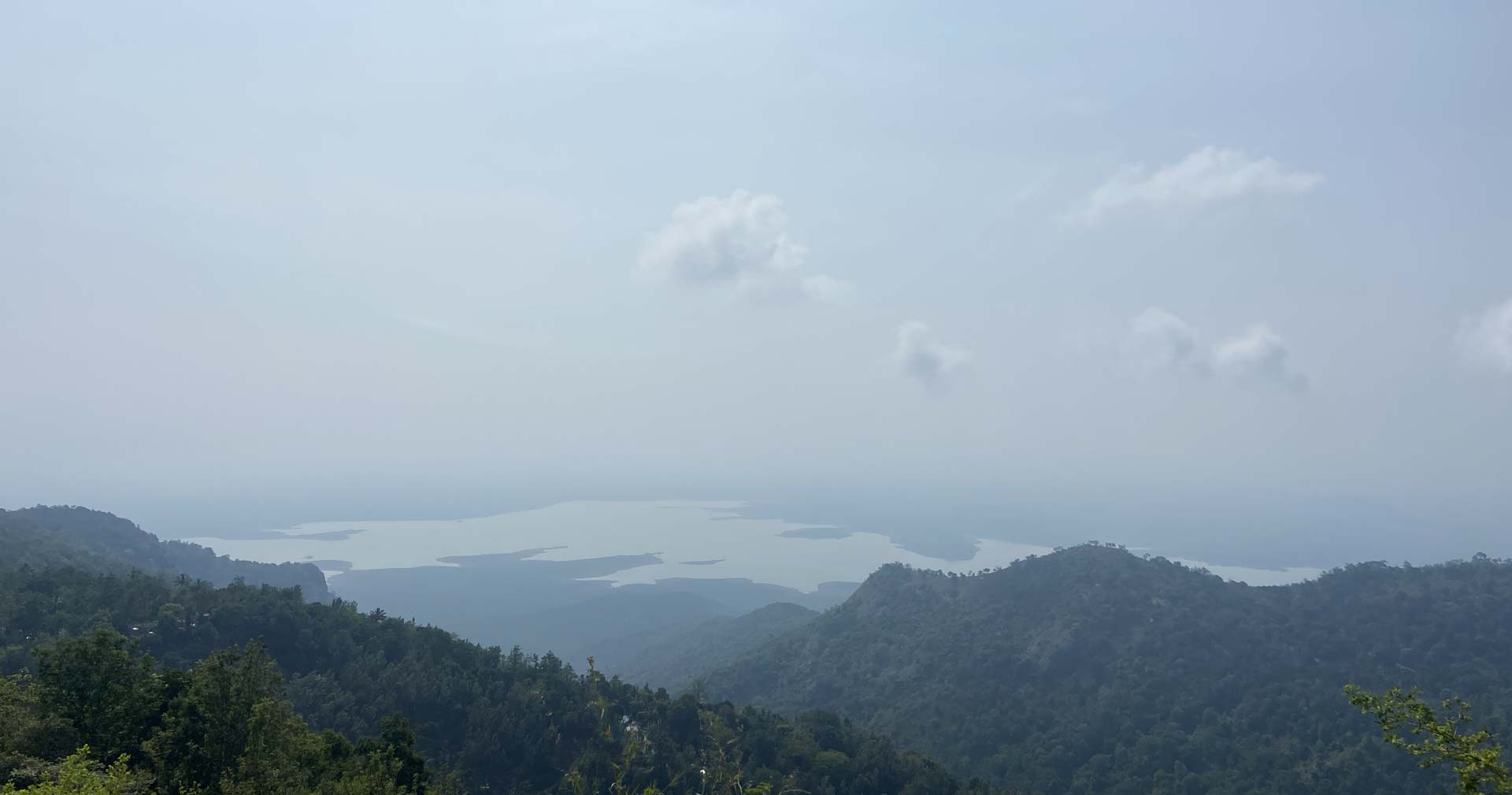
The Nilgiri Biosphere Reserve in Southern India is experiencing severe consequences of climate change. This region is rich in traditional ecological knowledge, with over 20 indigenous communities and a diverse array of biodiversity. The reserve is home to more than 3,200 species of flowering plants, 100 mammal species, 350 bird species, and numerous other fauna, many of which are endemic to the area. However, this delicate socio-ecological landscape is now under threat due to the impacts of climate change.
Despite these challenges, the valuable local cultural knowledge of adaptation and resilience, gained through generations of understanding nature-based livelihoods on agrarian and forest landscapes, needs to be adequately incorporated and utilised in climate change research and action. To address the urgent need for climate action, it is crucial to integrate past and present knowledge for the future. The ‘climate historians’ model operates on similar principles, by documenting local climate change-related stories, perceptions, and field evidence, providing important place-based context to address present concerns. Climate historians, often members of indigenous and local communities, contribute their knowledge to enhance our understanding of changing climate patterns, their impacts, and the resilience of both people and nature.
Further, given the lack of sufficient climate monitoring infrastructure in the region, integrating historical data with present datasets becomes vital in shaping climate change action for the future. Keystone Foundation aims to bridge this knowledge gap by establishing Climate Discovery Centres as essential hubs in the region, facilitating the exchange of information and fostering collaborative efforts in climate research and adaptation. These centres will also serve as valuable landing spaces to ensure that local communities’ history, knowledge, and experiences are effectively incorporated into climate change initiatives.
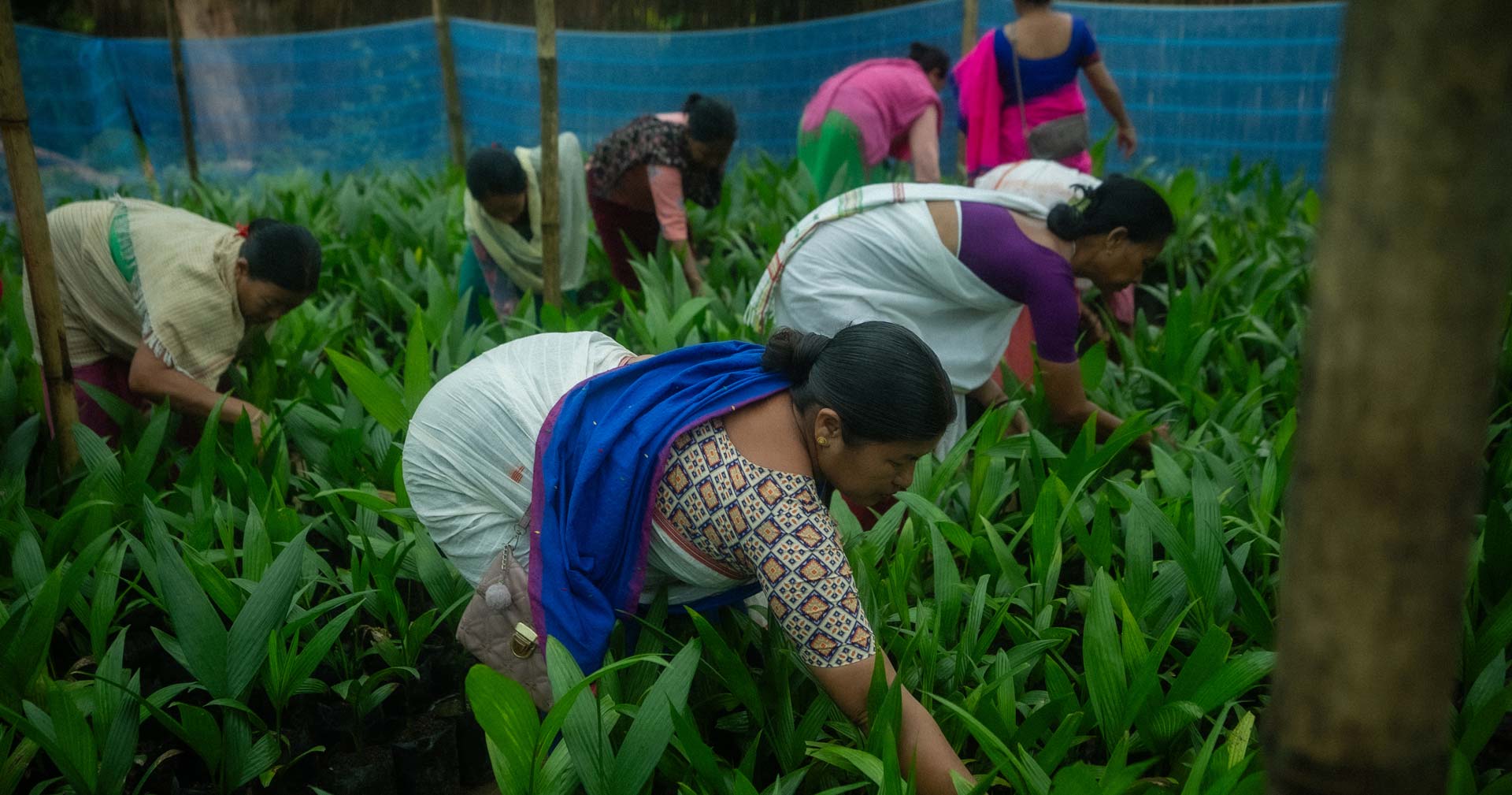
The North Eastern Region (NER) of India is one of the most ecologically diverse regions, encompassing a spectrum of habitats such as alpine scrubs, tropical rainforests, and flood plains. It is also a mega biodiversity hotspot, supporting over 8000 flora species (32% are endemic), and is home to rich faunal diversity. About 60% of NER’s geographical area (i.e., approximately 17.04 million hectares) is covered by forests. However, the forest cover and the biodiversity it supports are under threat. The decline in forest cover and biodiversity can be attributed to several primary factors, including increased encroachment, urbanisation, and shifting cultivation. Afforestation initiatives have been limited, and the ones that have been undertaken have focused mainly on monocropping plantations, leading to reduced genetic and species diversity, and increased pollution through the use of chemical fertilisers and pesticides.
In response to these pressing issues, Seven Sisters Development Assistance (SeSTA) aims to establish community-based models of regenerative agriculture and afforestation efforts in blocks of three districts of Assam and two districts of Tripura, leveraging the communities’ strong association with forests and natural resources. These districts represent remote rural pockets predominantly inhabited by marginalised communities, including Scheduled Tribes (STs), Scheduled Castes (SCs), Adivasis, and other ethnic minorities. Women’s community institutions will play a central role as drivers of climate change action. The project seeks to enhance community resilience against the perils of climate change and contribute to climate change mitigation.
Spanning three years, this project will lay the foundation for extensive work in the region focused on climate change resilience and mitigation through multi-sectoral collaboration in the future. Within each block, the project will engage with 3,000 women across 50 villages, positively impacting the lives of 15,000 people.
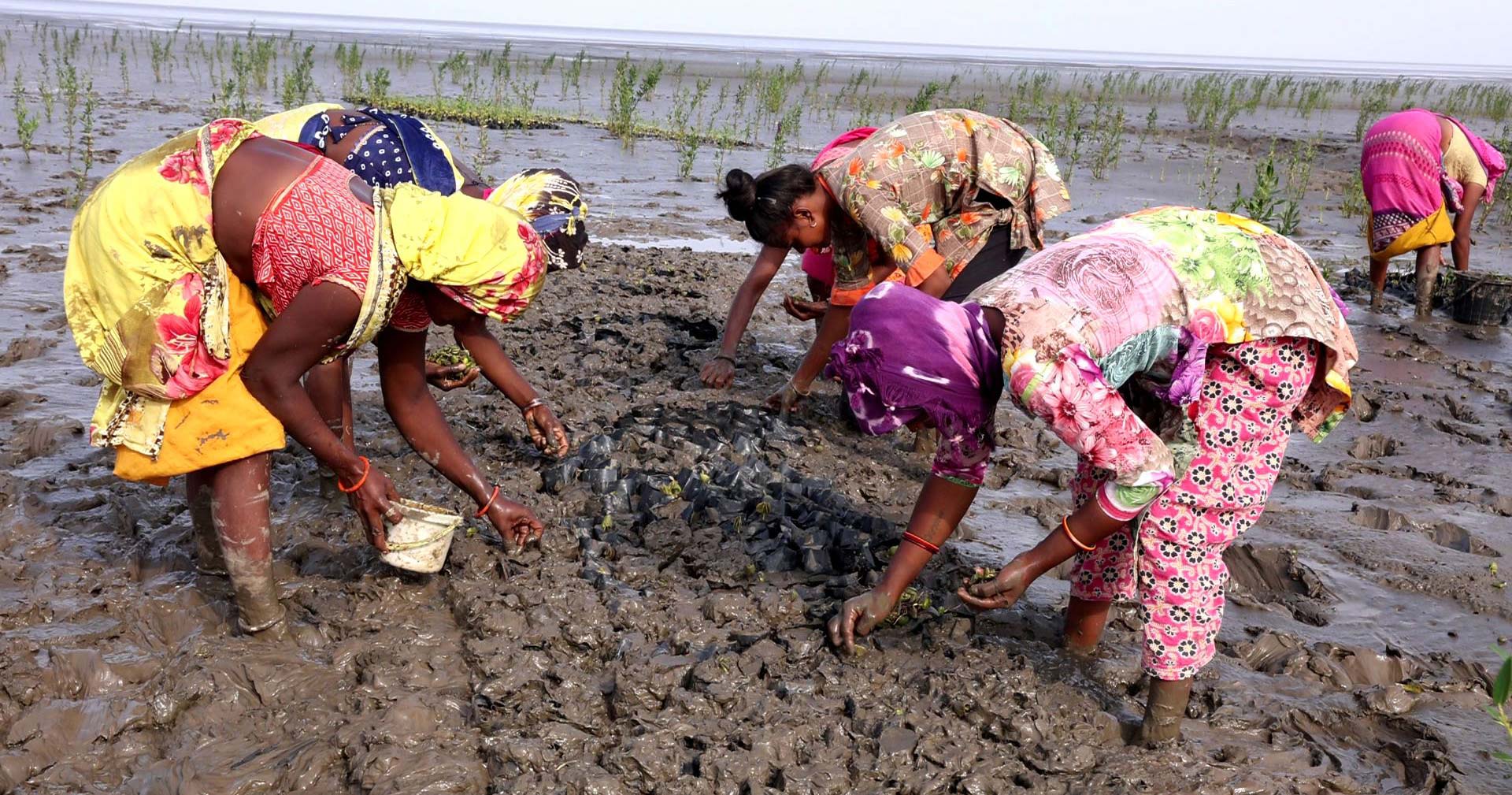
Human-induced climate change is increasing the occurrence of extreme events in India, impacting the lives and livelihoods of millions. Gujarat, situated along India’s western coast, is particularly vulnerable to hydro-meteorological hazards such as droughts, floods, cyclones, and associated ramifications. In fact, 12 out of the 16 coastal districts in Gujarat have been identified as hotspots for tropical cyclones. As climate change persists, with rising ocean temperatures and sea-level rise, the frequency and intensity of these cyclones are expected to increase further.
Furthermore, the coastal communities in Gujarat are heavily dependent on low-return occupations that rely on natural resources, perpetuating a cycle of poverty and debt. Since 1978, VIKAS Centre for Development, an organisation dedicated to improving the quality of life for marginalised communities, has been working to address these challenges. Over time, VIKAS has observed that climate change-induced changes, including rising sea levels, salinity intrusion, and soil erosion, have exacerbated the degradation of natural resources, further compromising the fragile livelihoods of these communities. Consequently, there is an urgent need to mitigate climate risks and enhance the adaptive capacities of both the natural environment and human systems in the region. In response, VIKAS has prioritised harnessing the potential of nature-based solutions.
Since the 1990s, VIKAS has actively engaged in mangrove restoration efforts in the region. In 2016, VIKAS launched the bio-shield initiative as a pilot project, implementing multi-layered plantations of mangroves and other plants suited to saline habitats, aiming to mitigate and adapt to the effects of climate change in Jambusar district, Bharuch. Building on the success of this initiative, VIKAS plans to expand the project by establishing bio-shield plantations across 200 hectares. This expansion aligns with the organisation’s broader Great Green Wall of Gujarat initiative, covering 23 coastal talukas in South and Central Gujarat, as well as the Kachchh and Saurashtra regions. The project’s primary objectives encompass mitigating and adapting to climate change, conserving biodiversity, and enhancing the livelihoods of individuals engaged in fisheries, livestock, and agriculture.