Farms
Agriculture, livestock and poultry, fisheries and forests
Home > Solution Areas > Farms
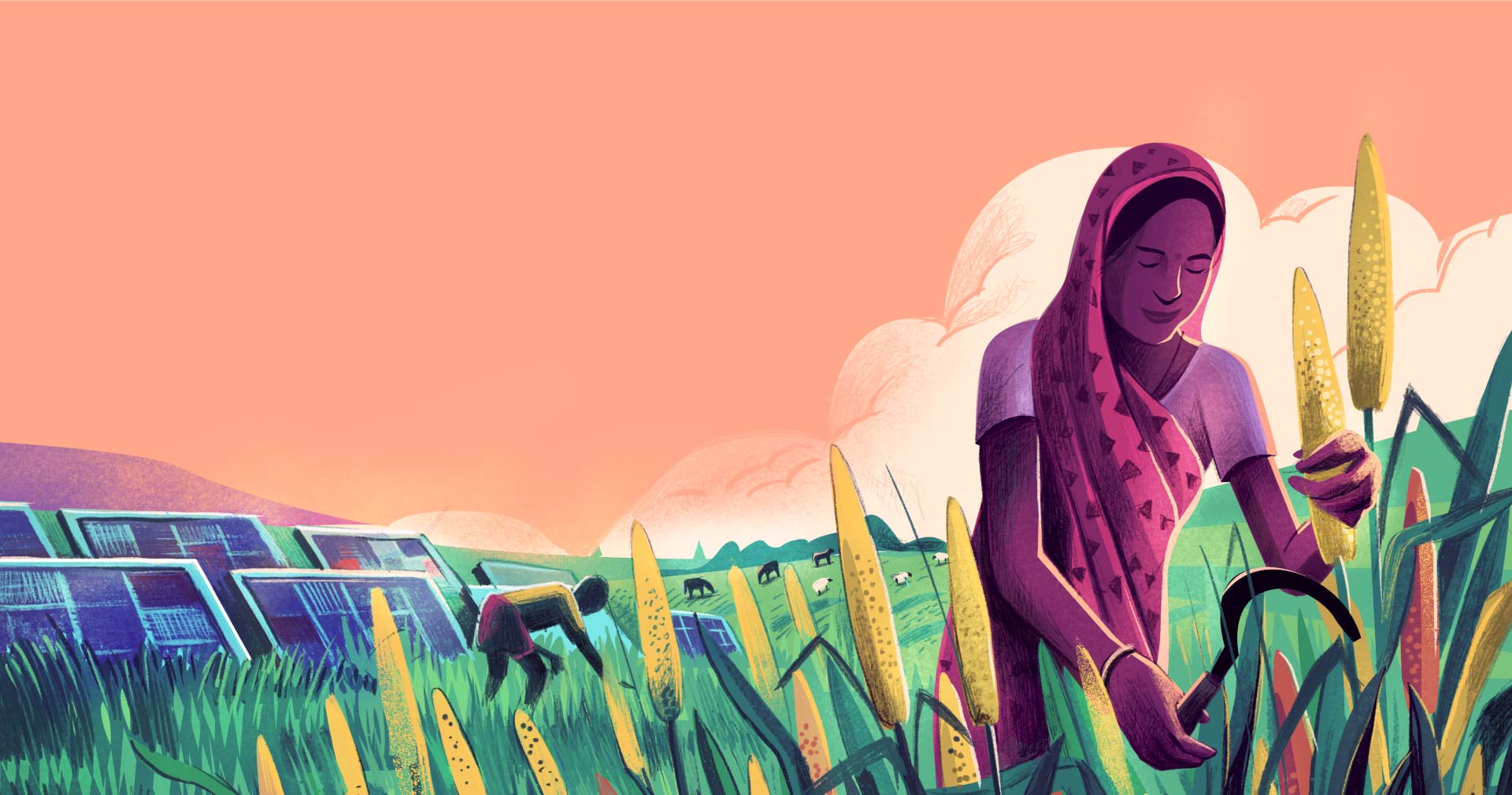
The agriculture and allied activities sector, including livestock, poultry, fish, and forest produce, is the primary source of livelihoods for nearly half of India’s population. The sector is highly vulnerable to climate change due to its dependence on stable climatic and environmental conditions, such as soil health, moderate temperatures, water availability, and more. Further, agriculture contributes around 14% of India’s total greenhouse gas (GHG) emissions, primarily due to methane from livestock emissions and rice cultivation and nitrous oxide from manure management and synthetic fertilisers.
This sector needs innovative, inclusive climate-smart solutions that place farming communities – especially small and marginal farmers, women, and farmers belonging to scheduled castes and scheduled tribes – at the centre. These solutions build resilience to climate risks, secure development co-benefits like increased incomes and nutrition security, and reduce the sector’s GHG emissions.
Challenge
Growing at an average rate of 4.6% over the last six years, agriculture in India has become cereal-centric and, as a result, regionally biased and input-intensive. It is characterised by fragmented landholdings and subsistence farming; over 85% of India’s farmland is owned by small and marginal farmers, with less than 2 hectares of land each. With limited purchasing power, they can only increase productivity through crop intensification and diversification. Modern agricultural practices have also pushed farmers further into crisis; with increased costs due to chemical inputs, nutrition insecurity and reduced productivity of land due to monoculture plantations and cash crops, and water stress fuelled by groundwater extraction. With limited access to formal credit (and lack of protections for informal credit), farmers are trapped in a vicious cycle of poverty, with low returns, low savings, low investment, and, again, low returns. This often leads to large-scale migration in search of better work opportunities, which exposes them to additional risks.
The informal nature of the sector and high indebtedness are compounded by increasingly severe and unpredictable climate risks like heat waves, droughts, floods, saline intrusion, and an erratic monsoon. From 2015 to 2022, for example, approximately 33.9 million hectares of crop area were affected due to floods and excessive rains alone (approximately 17% of gross cropped area in the country). It is projected that under an extreme scenario of 2.5°C to 4.9°C temperature rise, rice yields will drop by 32-40% and wheat yields by 41-52%; with projected economic losses of 1.8-3.4% of India’s GDP by 2050. Further, higher temperatures likely also increase irrigation demand, increasing water stress. In the absence of any adaptation measures, climate change could decrease average farm incomes by 15%, and by up to 25% in unirrigated areas, by 2100. Despite having contributed very little to climate change, small and marginal farmers, landless agricultural workers, and tribal farmers are the most vulnerable. Women farmers are also particularly vulnerable, given their limited ability to migrate when faced with risks.
Climate change also has direct and indirect effects on allied sectors. Livestock health is impacted by increased incidence of pests and infectious diseases, and reduced availability of food and water. In 2022, extreme temperatures, in particular heat stress, caused loss of appetite and higher body temperature in milch animals, reducing milk yield by up to 15%; heat stress also reduced egg production. Small-scale fisheries face greater unpredictability in fishing days due to erratic monsoons and increased cyclonic activity; sea level rise also poses a threat to their coastal villages. In parallel, there is a decrease in the availability of commercial fish species due to overfishing, pollution, and climate impacts like rapid warming of waters and ocean acidification that cause changes in ocean ecosystems.
Solution
Climate-smart agriculture is an integrated approach to managing landscapes— agriculture, livestock and poultry, fisheries, and forests — that addresses the interlinked challenges of food security and accelerating climate change. It aims to tackle three main objectives:

Sustainably increase agricultural
productivity and incomes

Adapt and build resilience to
climate change
Reduce greenhouse gas emissions
where possible
Range of responses
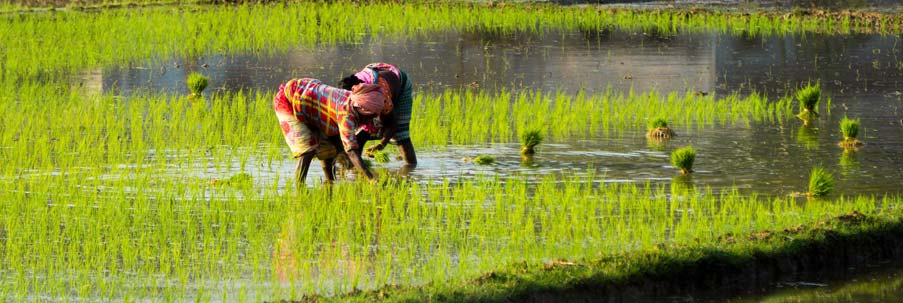
- Reducing synthetic inputs that are costly and release GHG emissions, and substituting with bio-inputs that are more affordable and can be produced locally;
- Integrating trees into farming and livestock systems (agroforestry and animal agroforestry) to improve soil health, reduce soil erosion, and develop alternate income streams from fruit, timber, and biomass produce;
- Using drought-resilient or indigenous seeds;
- Adopting system of rice intensification (SRI) to reduce water use and methane emissions;
- Adopting technological responses like solar-based drip irrigation to increase productivity while limiting water and fossil fuel-based energy use.
- Renewable energy (RE)-powered shellers for crops like maize to reduce labour intensity;
- Solar-powered dryers that dry fruits, vegetables, and crops for preservation;
- Decentralised RE-powered cold storage units to reduce spoilage;
- RE-powered grain and spice processing;
- Crop residue management to prevent stubble burning;
- Efficient market linkages for diverse produce.
- On-farm (crop diversification, animal husbandry, etc.)
- Off-farm (collection of non-timber forest products, value addition/processing, etc.)
- Non-farm (skilled labour, rural manufacturing enterprises, etc.)
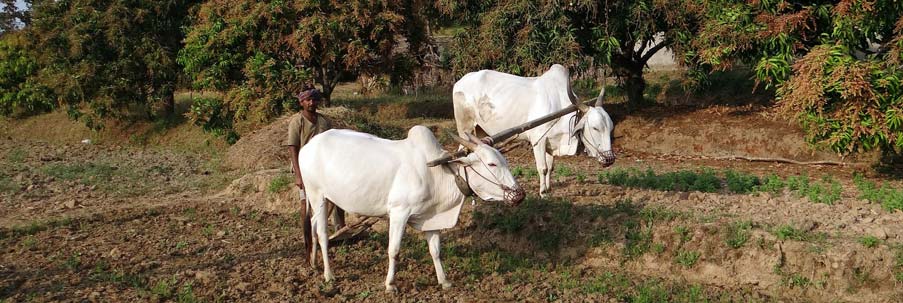
- Effective shade structures;
- Adapting grazing schedules to extreme temperatures;
- Investing in disease surveillance and vaccinations;
- Nutritional strategies such as increasing water availability, nutrient and energy density in diets, and supplementation of electrolytes;
- Low-cost natural ventilation systems for animal housing, such as installing foggers, fans, and giving timely water baths;
- Animal insurance at nominal charges that provide contingency support.
- Integrated farming systems and integrated crop-livestock systems that combine crops, trees, and animal agriculture through agroecology practices;
- Better grazing management methods, such as pasture rotation;
- Integrated fodder production strategies that incorporate region-specific quality seeds or low-emission feed in partnership with farmers;
- Alley-cropping;
- Creating common interest groups to mitigate fodder scarcity.
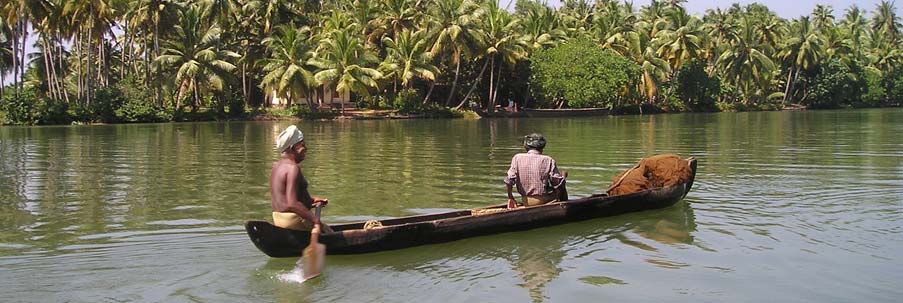
- Effective early warning systems to reduce disaster risk at sea and make coastal communities more climate resilient;
- Safety-at-sea training for fishers faced with weather uncertainties;
- Increased access to marine insurance;
- Innovations like RE-powered fishing boats;
- Incentivising self-support groups to share local knowledge, resources, gear, and incomes, and improve preparedness;
- Easy access to basic infrastructure, such as timely availability of ice and tech-based market linkages;
- Non-environment-related income-producing activities that diversify livelihoods and reduce fishers’ dependence on the sea.
- Shifting to fish species that favourably adapt to water stress and warmer temperatures in drought-prone regions;
- Promoting integration of aquaculture with other farm systems;
- Suitable site selection and risk assessment for aquaculture farms through geospatial data models (GIS modelling);
- Making changes to the feeding formulations and regimes of fish when faced with temperature changes.
Target groups
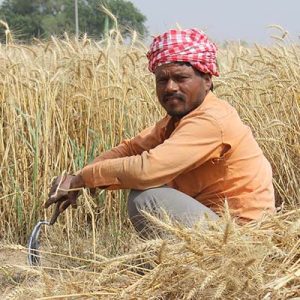
Small and marginal farmers
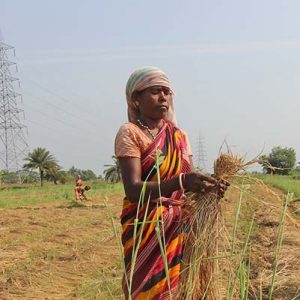
Women farmers

Small scale coastal and inland fisheries
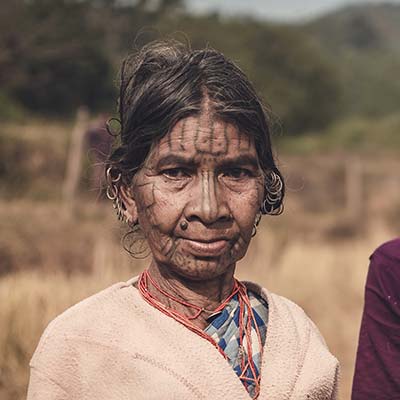
Tribal communities

UN Sustainable Development Goals

Key considerations
Tailor climate solutions to specific geographies and needs
India is highly biodiverse, with 20 different agroecological zones that have a variety of different factors at play, including their own soil type, microclimate, seed varieties, and irrigation patterns. There is a significant need to fill data gaps about what responses are best suited to which geographies, based on their biodiversity. To be successful, agricultural responses must be local, context-specific, and place-based; for example, agroforestry projects in the Himalayan regions and the hot and humid coastal regions need to be implemented differently.
Further, given the economic vulnerability of these beneficiaries, technological solutions must account for accessibility and affordability within target communities, to ensure their uptake and effectiveness.
Cover climate transition risks and address maladaptation
Institutionalise climate thinking and planning
Farms - Projects
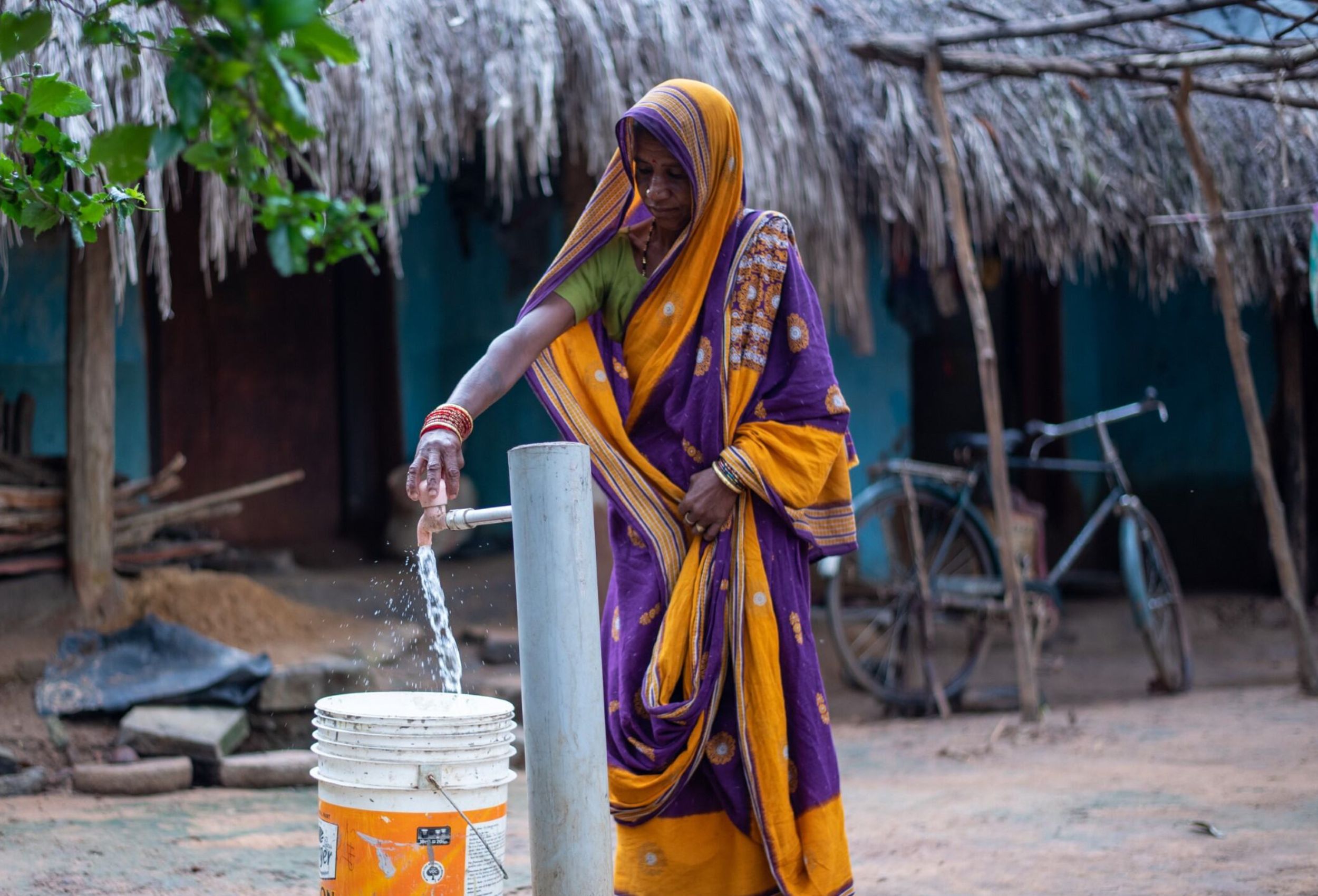
Climate change is a geophysical reality that is affecting all aspects of life. One of the most critical areas affected by it is water security. Anthropogenic pressure and climate change are altering the availability and distribution of water, increasing water demand, and concurrently depleting the groundwater resources. The Indian population is particularly vulnerable to water scarcity and drought conditions, linked to a large segment relying heavily on irrigation for food production. Odisha, a tropical coastal state, characterised by high temperature and humidity, medium to high rainfall, and short and mild winters faces a similar situation. It is highly vulnerable to climate change, facing frequent and severe weather events such as cyclones, floods, droughts, and heat waves that have significantly impacted its socio-economic stability.
Odisha’s North-Eastern Ghats and Western Undulating Lands are experiencing substantial climate change risks, including rising temperatures, increasing cyclonic intensity, coastal erosion, and floods. Such risks are impaired with the region’s high rainfall variability and prolonged dry spell. Moreover, the region’s demography of major tribal population (47%) and scheduled caste (15%) makes them more vulnerable to climate change hazards. These challenges endanger lives, result in inequitable access to water, and disrupt agriculture. Water scarcity, coupled with changing land-use patterns and inadequate management practices, poses severe implications for drinking water, sanitation, irrigation, and overall socio-economic development.
To address these challenges, the “Water Secure Gram Panchayat” project adopts a comprehensive approach focusing on four key components.
Component 1: Equity and Resilience
Enhances the social capital of the habitation, village, and overall panchayat to foster a strong community for implementing various interventions
Component 2: Enabling Sustainability of Water
Improves access to water for livelihood and domestic use
Component 3: Enabling Safety of Water
Builds community systems for integrated water, sanitation, and hygiene
Component 4: Enabling Prosperity from Water
Supports the formation of producer collectives and fosters micro-enterprises to ensure sustainable economic growth
The project’s approach is anchored in inclusion, shared responsibility, equitable participation, and financial sustainability. It aims to strengthen local governance; the project empowers local communities and governance structures to manage water resources sustainably. The focus on water source management, particularly through spring sheds, integrates traditional and scientific knowledge to ensure long-term water sustainability. Additionally, the project leverages digital tools such as “Water Passbooks” and “micro–Automatic Weather Stations”. These tools help communities to manage their water resources through information around weather, different water sources and crop advisories. This approach to achieve holistic water security for Odisha’s communities can help build their resilience in the face of climate change.


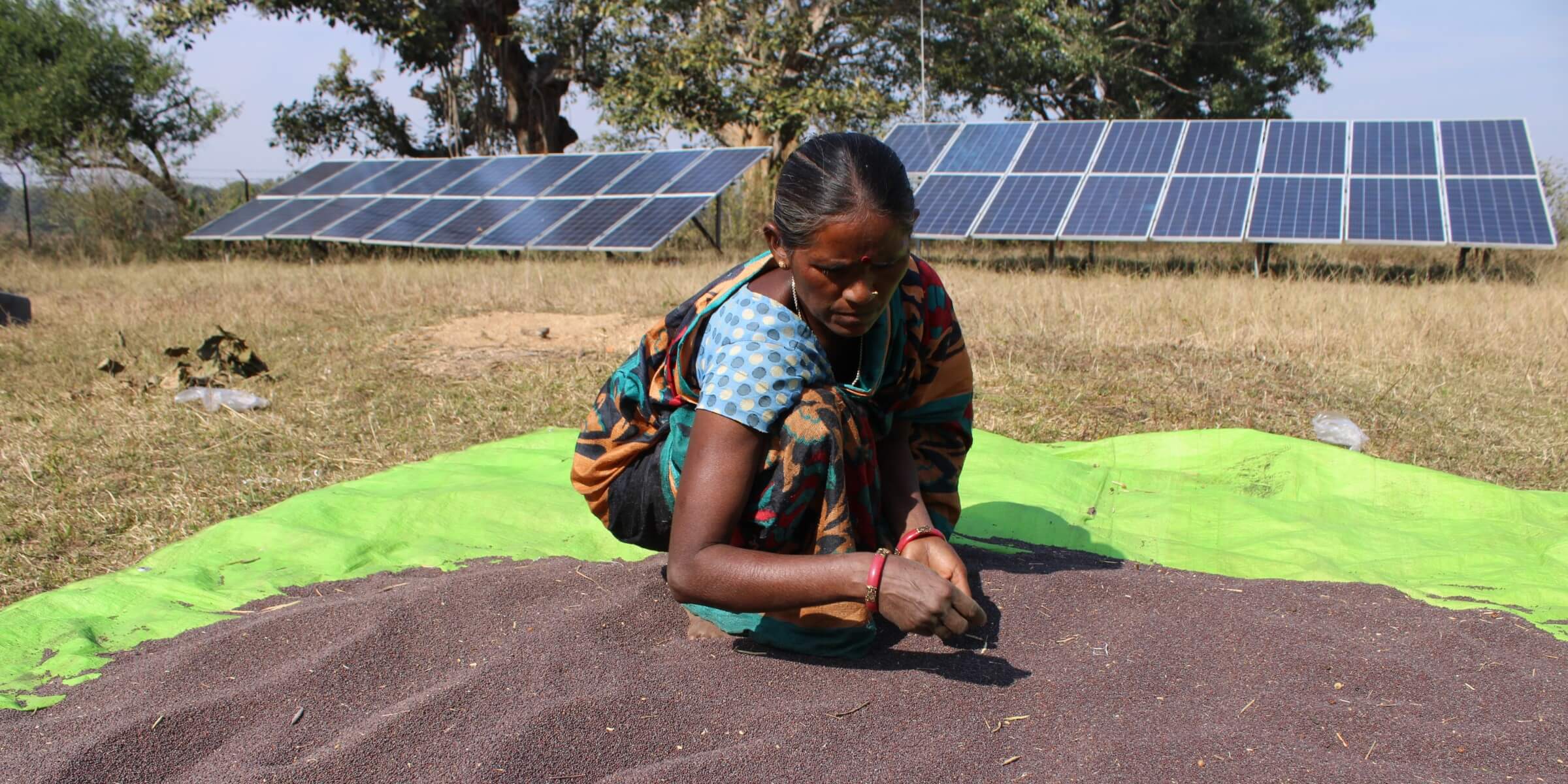
Economic prosperity is intricately linked to energy security. Access to affordable and clean energy remains a critical issue in rural India, particularly in districts like Gumla and Lohardaga in the state of Jharkhand, where unreliable electricity access hampers economic activities and exacerbates poverty. Hence, there is an urgent need to promote sustainable livelihood opportunities and micro-enterprises in these regions. The proposed project by Mlinda Charitable Trust focuses on leveraging solar energy to improve energy access reliability, reduce carbon emissions, and catalyse economic growth.
With their sister company Mlinda Sustainable Energy Private Limited that owns and operates solar powered mini-grids, Mlinda Charitable Trust aims to engage with the community and facilitates the use of clean energy supplied by the solar mini grids that are already set up in the 14 identified villages to promote micro-enterprises and improve lives and livelihoods of the communities residing in the two districts of Gumla and Lohardaga. The Trust aims to augment and upgrade the existing micro-enterprises operating in 10 identified villages in Gumla and promote new enterprises in 4 new villages in the two districts based on community needs. Mlinda Charitable Trust will also train and skill the community members on agri-value chains, facilitate sustainable agriculture practices and enhance market access for agriproducts.
With the mini grids already operational by MSEPL in the region, the key objectives for Mlinda Charitable Trust include increasing household incomes by 25% through diversified livelihood opportunities, reducing CO2 emissions by 30% via solar adoption and replacing fossil fuels, and strengthening local value chains for agricultural and NTFP products like mustard, groundnut, karanj and sal leaves. The project prioritizes women’s economic empowerment, aiming for 50% participation in micro-enterprises.
Mlinda Charitable Trust aims to engage with key stakeholders including local communities, government bodies, NGO partners, financial institutions and market actors. The project aims to benefit 70% (3152) of 4503 households over 3 years and build adaptive capacity to climate change.
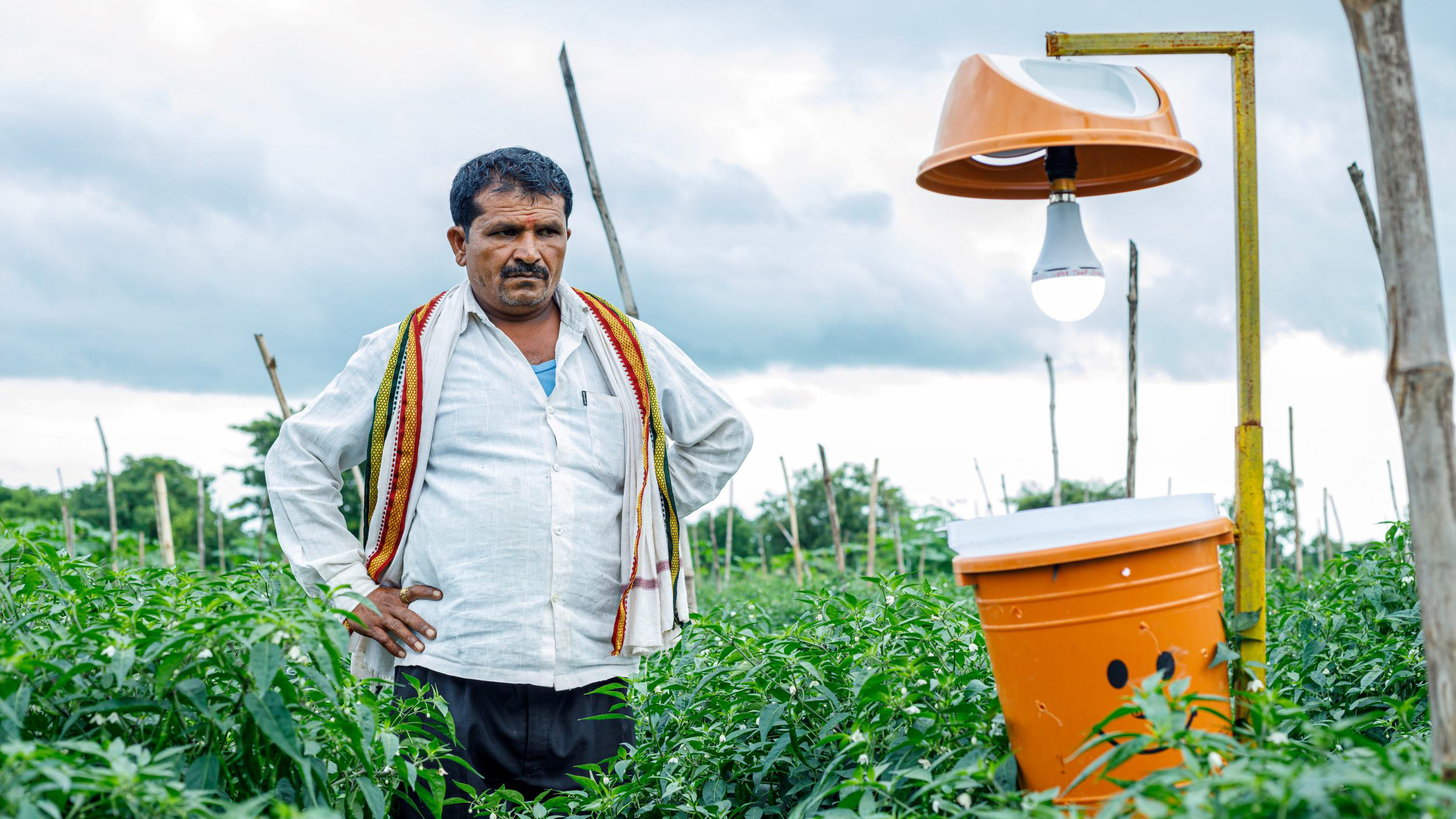
India, as one of the world’s major agricultural land users, faces numerous challenges in the farming sector. The majority of farmers in the country are small and marginal landholders who own tiny parcels of land, making agriculture unviable beyond subsistence. Climate change further exacerbates the situation, particularly in rain-fed dry regions, resulting in food and water insecurity, as well as poverty. Moreover, farmers lack awareness on enhanced farming methods, leading to the misuse of land resources, soil degradation, and reduced productivity. Excessive use of fertilisers by farmers to boost crop production not only degrades the land and crops in the long run but also poses risks to human health, emphasising the need for education on organic farming and cost-cutting farming methods.
The proposed project by Watershed Organisation Trust (WOTR) in 20 villages in Railmagra block of Rajsamand district, Rajasthan, aims to promote climate-resilient agriculture practices and organic farming through the implementation of multilayer farming techniques. Through the Farmer Field School (FFS) demonstration approach, which fosters cyclical learning, peer-to-peer knowledge sharing, and the development of communicative skills within farmer groups, WOTR will actively engage in capacity building and promote the system of crop intensification. This approach will facilitate knowledge exchange among farmers, encourage continuous learning, and reduce reliance on chemical inputs. The project’s key objectives include optimising land use, enhancing crop yields, and meeting household nutritional requirements through the adoption of multilayer farming. Additionally, capacity building exercises will empower farmers to embrace sustainable agricultural practices, including the utilisation of locally available seeds, integrated nutrient and pest management, and organic farming methods. By pursuing these initiatives, the project aims to make farming economically viable, remunerative, climate-smart, and sustainable, thereby ensuring the long-term economic growth of the agriculture sector in the region.
WOTR can also implement this project in other blocks of Rajsamand and other districts of Rajasthan, as well as in Karnataka and Odisha where it also has presence.
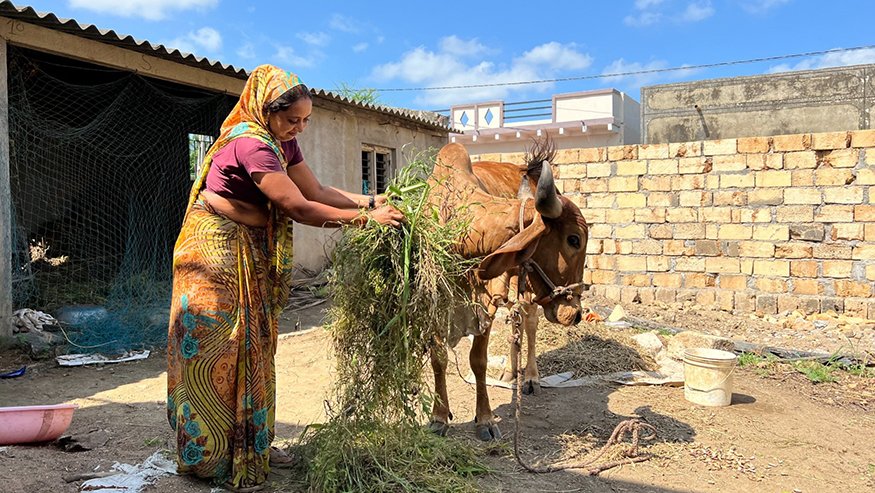
The livestock sector plays a crucial role in the Indian economy; ensuring food security, generating livelihoods, and contributing to the income of millions of households. Despite its significant contributions, this sector faces numerous challenges, including low productivity, disease outbreaks, and limited access to inputs and markets. Additionally, the livestock sector has substantial environmental impacts, such as greenhouse gas emissions and land-use change. The vulnerabilities faced by small and marginal farmers, who constitute a significant portion of the sector, are further exacerbated by limited resources and the effects of climate change. To address these pressing issues, the proposed project, to be implemented by Aga Khan Rural Support Programme (India) [AKRSP(I)], adopts an interdisciplinary approach, considering natural and socio-economic systems, as well as technological innovations. It builds on the learnings and successes of similar efforts by AKRSP(I) in its existing operational areas. The project aims to promote innovative, sustainable, and climate-smart livestock production systems through an integrated livestock management approach. This approach includes the implementation of the Ration Balancing Programme; a programme initiated by the National Dairy Development Board (NDDB) to educate farmers on balanced feeding of their dairy animals, seeks to enhance productivity, reduce greenhouse gas emissions, improve animal health, and enable livestock-owning communities – with particular emphasis on women and marginalised groups – to better cope with climate change impacts. Ultimately, the project strives to enhance food security, increase income, and promote sustainability in the livestock sector, benefiting both farmers and the environment. The project will benefit 5000 cattle rearing households, across 50 villages of Gujarat and Bihar.
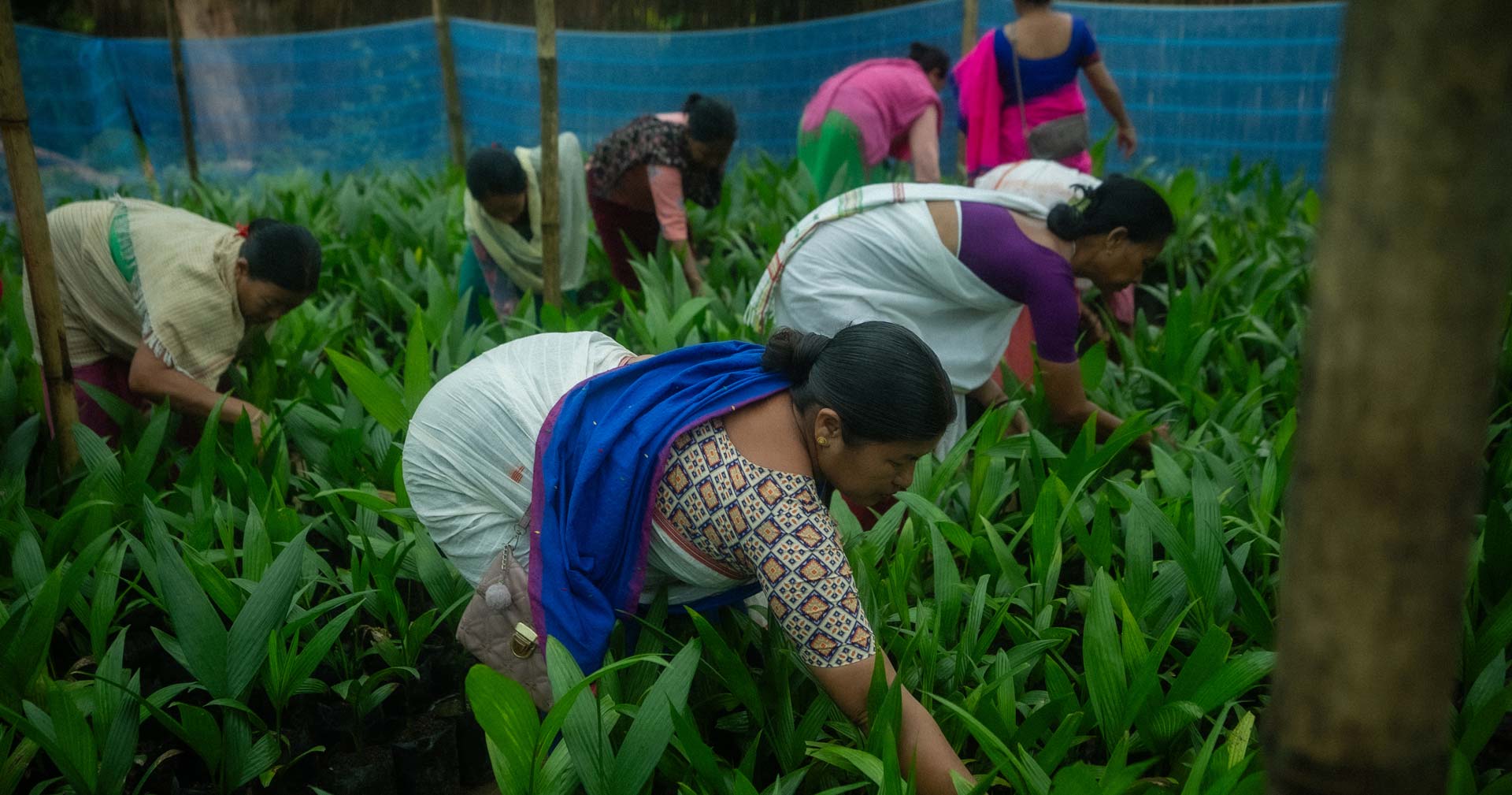
The North Eastern Region (NER) of India is one of the most ecologically diverse regions, encompassing a spectrum of habitats such as alpine scrubs, tropical rainforests, and flood plains. It is also a mega biodiversity hotspot, supporting over 8000 flora species (32% are endemic), and is home to rich faunal diversity. About 60% of NER’s geographical area (i.e., approximately 17.04 million hectares) is covered by forests. However, the forest cover and the biodiversity it supports are under threat. The decline in forest cover and biodiversity can be attributed to several primary factors, including increased encroachment, urbanisation, and shifting cultivation. Afforestation initiatives have been limited, and the ones that have been undertaken have focused mainly on monocropping plantations, leading to reduced genetic and species diversity, and increased pollution through the use of chemical fertilisers and pesticides.
In response to these pressing issues, Seven Sisters Development Assistance (SeSTA) aims to establish community-based models of regenerative agriculture and afforestation efforts in blocks of three districts of Assam and two districts of Tripura, leveraging the communities’ strong association with forests and natural resources. These districts represent remote rural pockets predominantly inhabited by marginalised communities, including Scheduled Tribes (STs), Scheduled Castes (SCs), Adivasis, and other ethnic minorities. Women’s community institutions will play a central role as drivers of climate change action. The project seeks to enhance community resilience against the perils of climate change and contribute to climate change mitigation.
Spanning three years, this project will lay the foundation for extensive work in the region focused on climate change resilience and mitigation through multi-sectoral collaboration in the future. Within each block, the project will engage with 3,000 women across 50 villages, positively impacting the lives of 15,000 people.
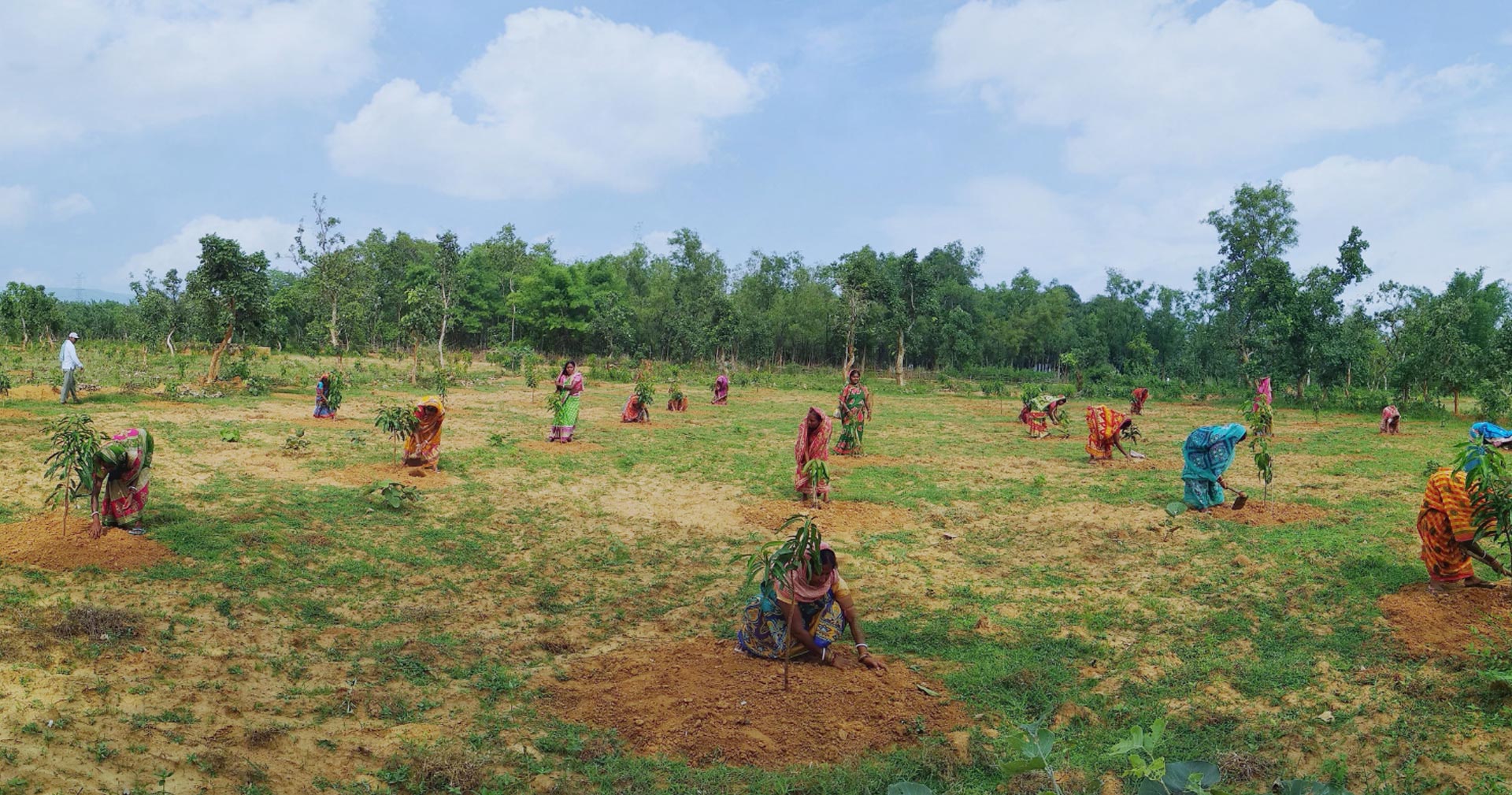
The proposed project aims to build the resilience of farming communities in the Central Indian Tribal Region (CITR), one of India’s most poverty-stricken regions. This project, led by Professional Assistance for Development Action (PRADAN), a leading agency working on large-scale rural poverty alleviation, will use an integrated natural resource management (INRM) approach (in-situ soil and water conservation) in this region to improve farming practices.
The hilly and undulated terrain in CITR limits farming options, and hinders soil and water conservation, resulting in low agricultural productivity. The rejuvenation of natural resources is critical, along with giving tools to communities, especially women, to be the powerful drivers of change for climate adaptation and building resilience. The project builds the capacity of women and tribal smallholder farmers to build resilience and adaptive capacities to manage climate-related risks and improve their income outcomes.
The duration of the project is 3 years and the indicative minimum viable scale for the project is 5 Gram Panchayats (GPs), covering 25 villages, and 1000 households in the CITR belts of Bihar, Chhattisgarh, Jharkhand, Odisha, and Rajasthan and can be scaled further based on donor interests.