Sustainable agricultural technologies for improved livelihoods
- Proposed areas of implementation
- Potential areas of implementation
Project Partner
India, despite being a global leader in fruit and vegetable production, suffers from significant post-harvest losses, with nearly 40% of produce wasted annually due to inefficient supply chains, inadequate storage, and climate vulnerabilities. Tamil Nadu and Maharashtra face similar challenges, leading to economic losses, environmental degradation, and farmer distress. Farmers in these regions struggle with post-harvest management inefficiencies and limited market access, exacerbating income instability and food insecurity.
This leads to significant economic damages, estimated to thousands of crores annually. Tamil Nadu and Maharashtra contribute significantly to this wastage due to inadequate infrastructure, erratic climatic conditions, and lack of market linkages. Specific regions such as the Kalvarayan Hills (Tamil Nadu) and Velhe (Maharashtra) are particularly vulnerable due to frequent droughts and irregular rainfall patterns, which impact harvesting cycles and spoil produce. Past extreme weather events, such as Cyclone Gaja and unseasonal rains in Maharashtra, have resulted in large-scale agricultural losses. Limited market access and high transaction costs further exacerbate the problem, forcing farmers to sell produce at lower prices. Additionally, food waste contributes significantly to greenhouse gas emissions, making this a climate challenge alongside being an economic and food security concern.
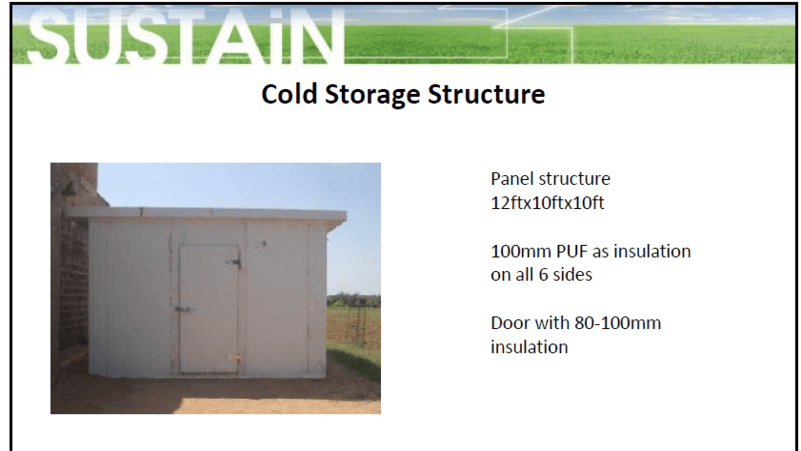
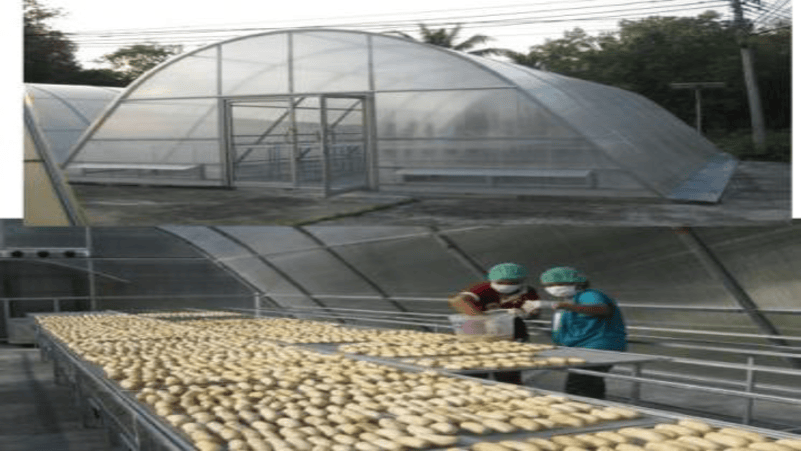
The proposed project aims to mitigate these challenges by deploying decentralised, energy-efficient post-harvest technologies such as solar drying units and cold storage systems in Tamil Nadu and Maharashtra. These interventions will extend the shelf life of perishable produce, reduce losses, and enhance farmer incomes while promoting sustainable agricultural practices. The project will benefit 500 smallholder farmers, particularly women-led and tribal farming communities, across aspirational blocks in the two States.
To achieve this, the project will engage FPOs, extension workers, and community leaders to ensure local ownership of the technologies, train farmers and collectives on sustainable post-harvest practices, conduct studies to measure losses and project impact, and provide market access to farmers, while integrating renewable energy solutions into the agricultural value chain.
The project has the potential to build a scalable and replicable model for reducing food waste, enhancing agricultural productivity, and improving farmer livelihoods across other similar geographies such as Karnataka and Andhra Pradesh.
Context
India faces severe post-harvest agricultural losses, with approximately 40% of fruits and vegetables perishes annually, amounting to economic losses of nearly ₹92,000 crore. Despite being agricultural powerhouses, Tamil Nadu and Maharashtra contribute significantly to this wastage due to fragmented supply chains, inadequate storage facilities, and limited access to modern technology. In Tamil Nadu, regions like the Kalvarayan Hills and Thiruvadanai are particularly vulnerable, frequently experiencing droughts and prolonged dry spells, leading to crop spoilage. Similarly, Maharashtra’s Velhe and Akole blocks face erratic rainfall patterns that disrupt harvesting cycles and further aggravate post-harvest losses.In 2019, Maharashtra faced agricultural losses exceeding ₹5,000 crore due to unseasonal rains and crop damage in 30 districts. Tamil Nadu experienced severe agricultural losses due to Cyclone Gaja, which uprooted nearly 1 crore coconut trees and affected 70,000 farmers, drought conditions leading to https://economictimes.indiatimes.com/news/economy/agriculture/tamil-nadu-dry-spell-crop-losses-push-farmers-to-the-brink-of-despair/articleshow/56540819.cms?utm_source=chatgpt.comcrop failures and water scarcity, and floods causing damages exceeding ₹3,500 crore. Additionally, farmers in these regions struggle with limited access to formal markets, low bargaining power, and high transaction costs when selling produce. The absence of reliable market linkages increases the risk of post-harvest losses, as farmers often lack the infrastructure or resources to store excess produce that cannot be immediately sold.
These challenges have a cascading effect, leading to reduced farmer incomes, heightened food insecurity, and significant environmental strain. Post-harvest losses not only impact farmers’ economic viability but also exacerbate greenhouse gas emissions from decomposing organic waste, contributing to 4.4 gigatons of CO2 annually on a global scale. This underscores the urgent need for sustainable and scalable interventions in post-harvest management.
Post-harvest losses, estimated at around 30% for fresh produce globally, result from various enzymatic, physical, macro-biological, and microbiological factors. Addressing these losses requires a multi-faceted approach that includes physical and chemical treatments alongside innovative packaging solutions. Physical techniques such as washing, blanching, pulsed electric fields, high hydrostatic pressure, and UV irradiation help prevent microbial contamination, moderate enzymatic reactions and maintain the quality of harvested crops. Chemical methods, including the use of preservatives and antimicrobial agents like nitric oxide and calcium chloride, extend shelf-life but require careful monitoring to minimise environmental and health risks.
Advanced packaging plays a crucial role in preserving crop quality. Modified atmospheric packaging (MAP), edible coatings, and nanotechnology-based intelligent and active packaging help regulate internal conditions, creating a protective barrier against external contaminants. These solutions align with global efforts toward sustainable agriculture by minimising losses while maintaining nutritional value.
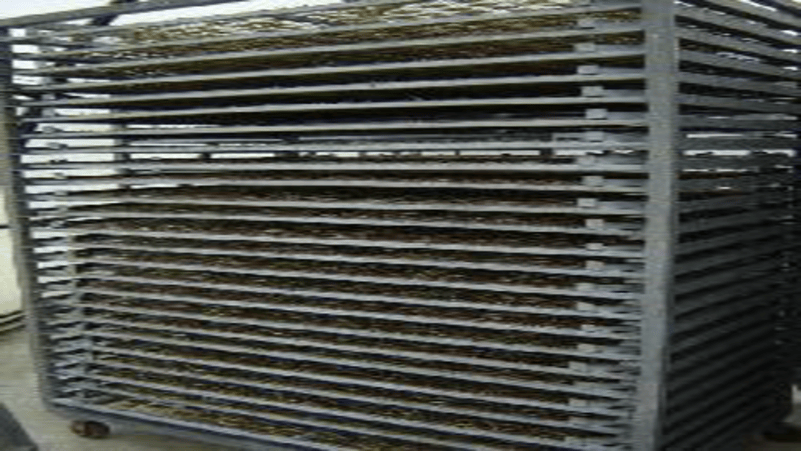
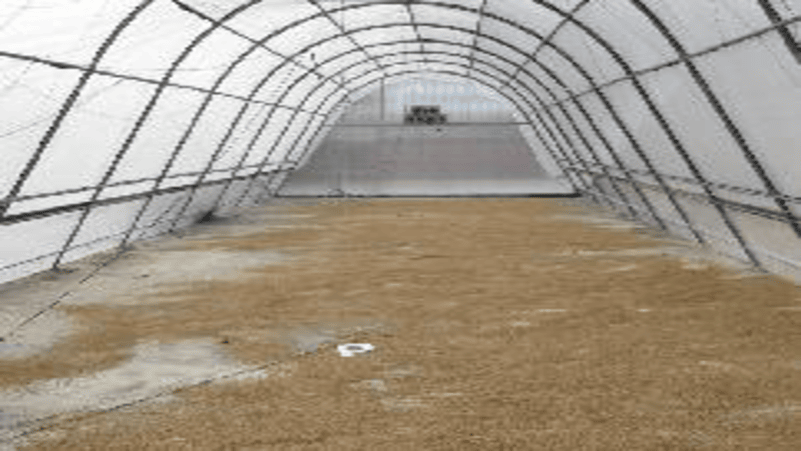
By deploying renewable energy-driven technologies, including solar drying and cold storage systems, the project seeks to address these challenges. Solar drying has been shown to significantly extend the shelf life of produce. For instance, a study on solar-dried tomato slices demonstrated that this method could prolong shelf life by up to six months. Additionally, the use of solar dryers has enabled farmers to process and preserve produce like grapes, tomatoes, and onions, effectively reducing post-harvest losses and enhancing product availability during off-seasons. Cold storage powered by renewable energy provides a cost-effective and environmentally friendly alternative to conventional storage methods reliant on grid electricity or diesel generators.
By integrating these solutions into vulnerable regions, the project aims to mitigate post-harvest losses while fostering resilience against climate-induced adversities. Strengthening supply chains with renewable energy technologies, advanced preservation methods, and intelligent packaging can reduce farmers’ dependence on non-renewable resources, enhance income stability, and promote sustainable agricultural practices.
Problem statement
Goals and objectives
To reduce post-harvest losses and improve the incomes and resilience of smallholder farmers in Tamil Nadu and Maharashtra by deploying decentralised, renewable energy-driven post-harvest management technologies.
Objectives:
- Adopt a participatory approach:
Engage local farmers, Farmer Producer Organisations (FPOs), agricultural extension workers, and community leaders to ensure local ownership and relevance of interventions. - Facilitate technology adoption:
Promote and facilitate the installation of energy-efficient post-harvest management systems, such as solar drying units and cold storage facilities, tailored to the needs of smallholder farmers. - Strengthen FPOs and capacity building:
Build the capacity of FPOs and farmers through customised training on post-harvest management technologies and best practices to ensure sustainable and efficient use of the systems. - Baseline assessment and impact measurement:
Conduct a baseline assessment, including region-specific economic loss estimates due to post-harvest losses, to enable precise monitoring of project impact. - Leverage past learnings:
Apply successful strategies and learnings from similar projects implemented by ASSIST Development Foundation in Maharashtra, which demonstrated a 40% reduction in post-harvest losses and a 25% increase in farmer incomes. - Bridge infrastructure gaps:
Address the lack of post-harvest infrastructure by deploying renewable energy-based cold storage and drying technologies in rural areas with limited market access and storage options. - Promote sustainable agricultural practices:
Foster long-term resilience and sustainability in farming communities by reducing food waste and integrating renewable energy solutions into the agricultural value chain.
About the organisation
ASSIST Asia is a mission-driven organisation that empowers individuals, organisations, and communities towards sustainable development. Founded in the Philippines and operational since 2007 in India, ASSIST combines grassroots interventions with innovative solutions to address critical social, economic, and environmental challenges. Its approach integrates Corporate Social Responsibility (CSR), capacity building, community engagement, and technical expertise to create scalable and impactful projects.
Headquartered in the Philippines, ASSIST has established a significant footprint across Asia, including India, by partnering with corporates, governments, and civil society organisations to drive development initiatives that align with the United Nations Sustainable Development Goals (SDGs).