Empowering millet farmers through integrated value chains for resilience and economic security
- Proposed areas of implementation
- Potential areas of implementation
Project Partner





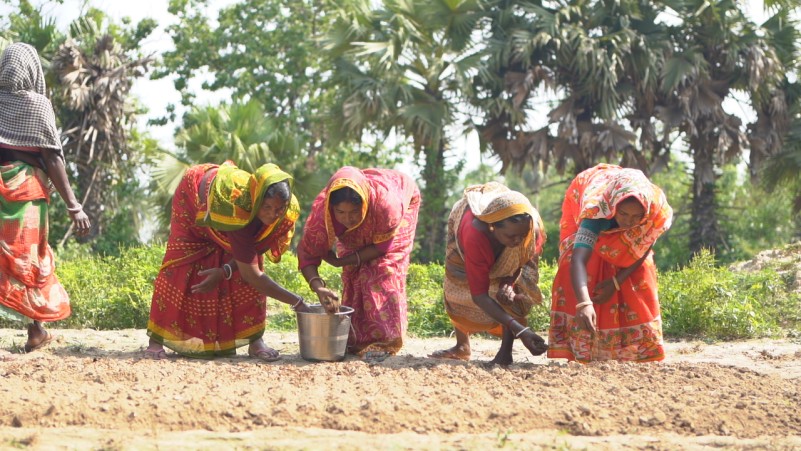
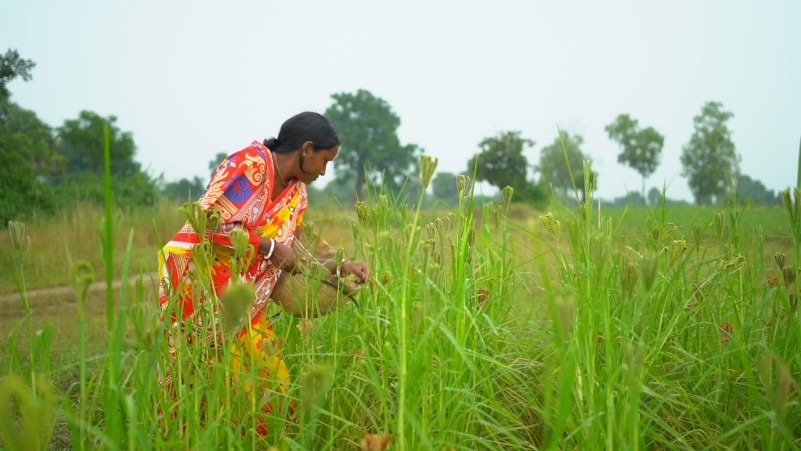
India’s agricultural landscape faces significant challenges, particularly for smallholder farmers who struggle with declining soil fertility, erratic weather patterns, and market volatility. Once a staple in Indian diets, millets have largely been replaced by water-intensive crops, exacerbating water stress and reducing nutritional diversity. However, millets hold immense potential as a climate-resilient crop with high nutritional value. The primary barriers to millet cultivation include limited access to quality seeds, inadequate post-harvest processing facilities, weak market linkages, and low consumer awareness.
This project seeks to revitalise the millet value chain, addressing critical issues of food insecurity, economic vulnerability, and climate resilience through an integrated approach. By fostering upstream and downstream linkages, the initiative aims to re-establish millets as a key component of rural diets and livelihoods. With a focus on sustainable agricultural practices, decentralised renewable energy (DRE) solutions, and innovative market strategies, the project aims to empower small and marginal farmers, transforming millets into a commercially viable and nutritionally rich food source.
The project is designed for scalability potential, with initial implementation proposed in key millet-growing regions such as Ahmednagar and Nashik districts in Maharashtra, Santhal Parganas and Manbhum in Jharkhand and West Bengal, and the districts of Mayurbhanj, Kendujhar, and Sundergarh in Odisha. A minimum viable pilot, covering 200 hectares and benefiting approximately 450 smallholder farmers, will serve as a design for broader replication. Initial outreach efforts shall engage 2,000 farmers, raising awareness about millet cultivation and market potential. Learnings from the pilot phase will inform expansion strategies, ensuring effective implementation in additional regions.
To achieve its objectives, the project will focus on enhancing millet cultivation through farmer training, provision of quality seeds, and integration of traditional and modern agricultural practices. The introduction of decentralised, solar-powered processing units will enable milling, grading, sorting, and packaging of millets, thereby improving quality and marketability. The project also aims to facilitate the formation of farmer collectives and establish direct market linkages with institutional buyers, ensuring fair pricing and reducing dependency on middlemen. Furthermore, millet’s inherent climate resilience will be leveraged to promote sustainable farming, reducing reliance on water-intensive crops and enhancing overall soil health and productivity.
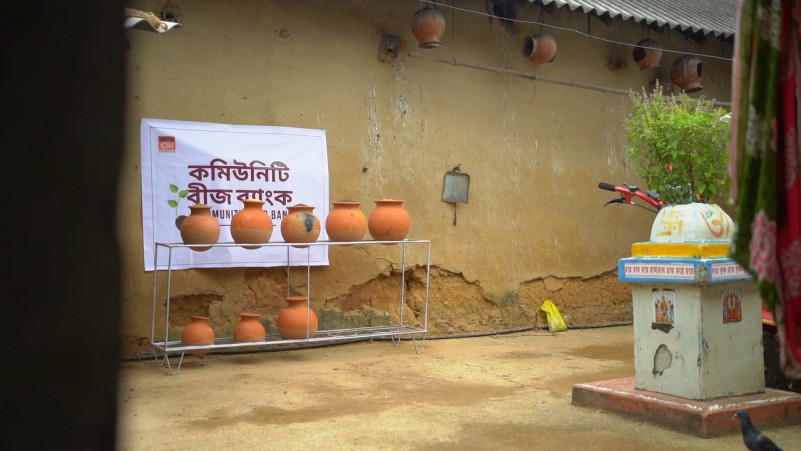
A key component of the project is community empowerment through localised seed banks, government scheme integration, and capacity-building workshops. Farmers shall receive training on post-harvest management, quality control, and financial literacy to maximise their earnings from millet production. The decentralised processing units will create entrepreneurial opportunities, particularly for women-led farmer groups, fostering economic empowerment and self-sufficiency. By connecting millet farmers directly with buyers and promoting consumer awareness, the project will ensure a steady demand for millet-based products, sustaining the value chain in the long run.
The project also aims to contribute to policy development by generating insights on millet value chain optimisation, strengthening collaborative efforts between government bodies, NGOs, and private sector stakeholders. Through an innovative approach, the project not only aims to enhance food security and farmer incomes but also promote environmental sustainability by mainstreaming climate-resilient agriculture. By integrating renewable energy solutions and fostering market-driven interventions, it will establish a self-sustaining ecosystem where millets thrive, benefiting both producers and consumers.
Context
Approximately 51% of India’s cultivated land depends on rainfall, accounting for nearly 40% of the country’s total food production. However, climate-induced adversities—including prolonged droughts, erratic rainfall patterns, rising temperatures, and extreme weather events—are already leading to short-term crop failures and long-term declines in agricultural yields. Unpredictable monsoons, marked by dry spells and intense localised rainfall, have led to variable yields of staple crops such as rice, vegetables, and pulses, further exacerbating the challenges faced by small and marginal farmers.
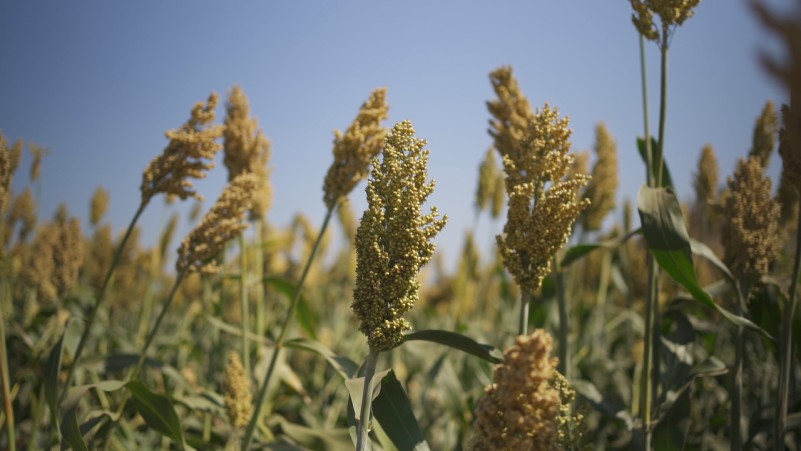
Millets are climate resilient crops and can easily be cultivated in dry and semi arid zones making them an excellent choice for such regions. Traditionally, millets have been a staple food of the rural population in dry land regions. Despite their rich nutritional value, millets have fallen out of regular diets due to the disappearance of traditional recipes, misconceptions about their complex preparation, and poor promotion of their health benefits.
Over the years, millets have been largely replaced by cash crops like soybean and water-intensive crops such as rice, driven by market shifts and changing agricultural policies. This transition has come at a cost, as millets are not only highly nutritious and rich in fibre, iron, and essential micronutrients but also more resilient to climate stress, requiring less water and being naturally pest resistant. Recognising their critical role in sustainable agriculture, the government has launched initiatives such as the National Millet Mission and incorporated millets into the PM Poshan Shakti Nirman to revive their production and consumption.
In states like Maharashtra, Jharkhand, Odisha, and West Bengal, where small and marginal farmers dominate, bringing millets back into cultivation can strengthen food security and rural livelihoods. In Maharashtra, many farmers have stopped growing millets and shifted to cash crops like soybean, making their incomes less stable. Bringing back millets can help them diversify their livelihoods and reduce risks. In West Bengal, most farmers rely on water-intensive rice, which is not sustainable as water shortages increase. Drought-resistant millets can be a better alternative. Jharkhand faces unpredictable weather, making farming difficult. Since millets can survive in harsh conditions, they are a good option for farmers facing climate challenges. In Odisha, the government is focusing on food security. Expanding millet farming can improve nutrition and provide a stable income for small farmers.
Additionally, climate variability has exacerbated existing developmental challenges in millet cultivation and consumption. Millets, suited to drought-prone regions due to their lower water footprint compared to rice and wheat, are still challenged by water scarcity, with farmers lacking adequate irrigation infrastructure and access to climate-smart agricultural practices. For instance,in 2023, Maharashtra faced a severe drinking water shortage following a deficient monsoon season, with water levels across 2,994 dams reduced from 86% to 65%. Irregular and inconsistent monsoon patterns have reduced sown areas and caused significant yield fluctuations, destabilising food security. Additionally, soil health has been degraded by the rampant use of chemical fertilisers and pesticides, having depleted soil organic matter and reduced both productivity and water retention capacity, particularly in drought-prone and semi-arid regions.
Moreover, the lack of assured markets, poor aggregation, storage constraints, and an inefficient supply chain have made millet cultivation less profitable compared to other crops. Farmers and industries alike are discouraged by inconsistent quality, low marketable surpluses, and uncertainty in grain supply. Additionally, limited access to improved production techniques and post-harvest processing technologies hampers farmers’ ability to meet market demands. This technical gap, combined with minimal efforts in value addition, branding, packaging, and pricing, has stalled millet-based products from gaining commercial traction, leaving industries reluctant to invest without a reliable and scalable supply chain. The declaration of 2023 as the International Year of Millets has reignited global interest in millets, yet this momentum risks fading without urgent and systemic interventions.
The proposed project aims to reverse these trends by empowering smallholder millet farmers through a landscape-specific, ecosystem-based approach that includes upstream and downstream market linkages, DRE-enabled solutions, and both mainstream (MSP-covered) and niche market integration for major and minor millets. By strengthening the millet ecosystem as a solution to food insecurity, malnutrition, and climate-induced vulnerabilities, this initiative aims to foster sustainable agriculture, improve livelihoods, and enhance community resilience to climate shocks.





Problem statement
Goals and objectives
Overall goal:
To create a resilient and sustainable millet ecosystem that improves food security, increases farmer incomes, and builds climate resilience by fostering millet cultivation, advancing processing capabilities, and strengthening market linkages.
Specific objectives:
- Enhance millet cultivation and production:
The project will promote millet farming by establishing community seed banks to preserve and distribute high-quality millet seeds. Farmers will receive training on sustainable agricultural practices, integrating traditional methods with scientific techniques to optimise production. Mixed cropping and crop-water budgeting will be introduced to ensure efficient resource utilisation, tailored to local agro-climatic conditions. By reintroducing millet as a climate-resilient alternative to water-intensive crops like rice and wheat, the project will address water scarcity.
- Develop value addition and processing infrastructure:
The project will set up distributed renewable energy (DRE)-based machines for milling, grading, sorting, and packaging millets, reducing post-harvest losses and enhancing product quality. These facilities will ensure that farmers receive higher market returns while fostering a decentralised model of production and processing. By integrating solar-powered technologies, the infrastructure will reduce energy costs and promote environmentally sustainable operations.
- Strengthen market linkages:
Farmers’ collectives will be capacitated to aggregate millet produce, creating economies of scale and enhancing bargaining power. Institutional buyers, such as public distribution systems, mid-day meal schemes, and private players, will be engaged to secure market access.
- Promote sustainable and climate-resilient agriculture:
Millet cultivation will improve soil health, enhance biodiversity, and reduce water dependency. By equipping farming communities with adaptive strategies, the project will strengthen their resilience against climate variability and mitigate climate change through the reduced carbon footprint of millet farming.
About the organisation
The Environment Conservation Society (ECS), also known as SwitchON Foundation, is a nonprofit founded in 2008, dedicated to equitable and sustainable development. ECS focuses on clean energy, climate-resilient agriculture, sustainable livelihoods, natural resource management, clean air, skilling, and sustainable cities. Its mission is to address environmental challenges and promote sustainable livelihoods, aiming to benefit 10 million people at the grassroots by 2030.
Over the past 16 years, ECS has implemented 80+ projects and incubated 3 social enterprises—ONergy Solar (decentralised energy), ONganic Foods (organic agriculture), and ONskills (green entrepreneurship). It has supported 50+ Farmer Producer Companies and 700+ microenterprises, impacting over 1 million people in 5,560 rural and remote villages across 10 states, including Maharashtra, Madhya Pradesh, West Bengal, Jharkhand, Odisha, Meghalaya, Manipur, and Sikkim.
ECS operates under two main programmes:
CRA-DRE (Climate Resilient Agriculture & Distributed Renewable Energy): Advancing agroecological farming and renewable energy to reduce greenhouse gas emissions and enhance farmer incomes through value chains and market linkages.
India-CAN (India Clean Air Network): Driving efforts for air quality improvement in cities and rural areas.
ECS works closely with state and central government departments and agencies such as NABARD, SFAC, NAFED, NCDC, and Renewable Energy Development Agencies (e.g., WBREDA, OREDA, JREDA), as well as with State Rural Livelihood Missions in West Bengal, Jharkhand, and Odisha. ECS also acts as a Cluster Based Business Organisation (CBBO) under the Ministry of Agriculture’s FPO promotion scheme and implements large-scale livelihood programmes, including the Empowerment and Livelihoods project (OTELP) in Odisha, impacting over 30,000 people.
ECS partners with national and international donors and networks including GIZ, MacArthur Foundation, Rockefeller Philanthropy Advisors, Good Energies Foundation, UN Women, Shakti Foundation, and RCRC Network.
With regional offices in West Bengal, Jharkhand, Odisha, and Maharashtra, ECS is powered by a dedicated team of 161+ staff, with 25% women representation. In FY 2023-24, ECS reported an annual revenue of INR 175 million (USD 2.08 million) and expenditure of INR 139 million (USD 1.65 million).
AWARDS, ACCOLADES & RECOGNITIONS
- Recognition through awards such as SEED Award 2015 (UNDP & UNEP), the “Pacesetter Award” 2017 (MNRE & US Embassy), ICC Social Impact Award in 2020 and 2024, Agrobiodiversity Challenge Award (presented by ICAR, CGIAR and alliance), Roddenberry +1 Global Fund Award in 2021, MSME of the Year – Sustainability award in 2024 highlights ECS’s significant contributions, and Indian Social Impact Award 2024 (by Indian CSR Awards). The ON Conglomerate has been featured in The Guardian UK, NIKKEI Japan, CNN-IBN, NDTV, Times of India, ET etc. Following is a glimpse of ECS’s empanelments/affiliations (detailed list in annexures) –
- Empanelled with MNRE for programmes around energy access in rural India.
- Empanelled and functioning as a training provider with PMKVY (Pradhan Mantri Kaushal Vikas Yojana), Utkarsh Bangla-PBSSD (Paschim Banga Society for Skill Development), NISE (National Institute of Solar Energy) etc.
- Empanelled as Resource Institution (for promotion of Producer Organisation) with SFAC and NABARD.
- Empanelled as training partner with Agriculture Skill Council.
- Empanelled as Resource Institute under District Agriculture Technology Management Agency (ATMA), Nadia, West Bengal.
- Empanelled as Knowledge partner under Jharkhand Renewable Energy Development Agency (JREDA).
- Affiliated as training partner with Skill Council for Green Jobs (SCGJ).
- ECS is selected as Cluster Based Business Organisation for Promotion of FPOs in Madhya Pradesh, Manipur, Meghalaya and West Bengal by NABARD and NCDC.
 If you are a funder and want to know more about this project,log in or register now with us to get complete access.